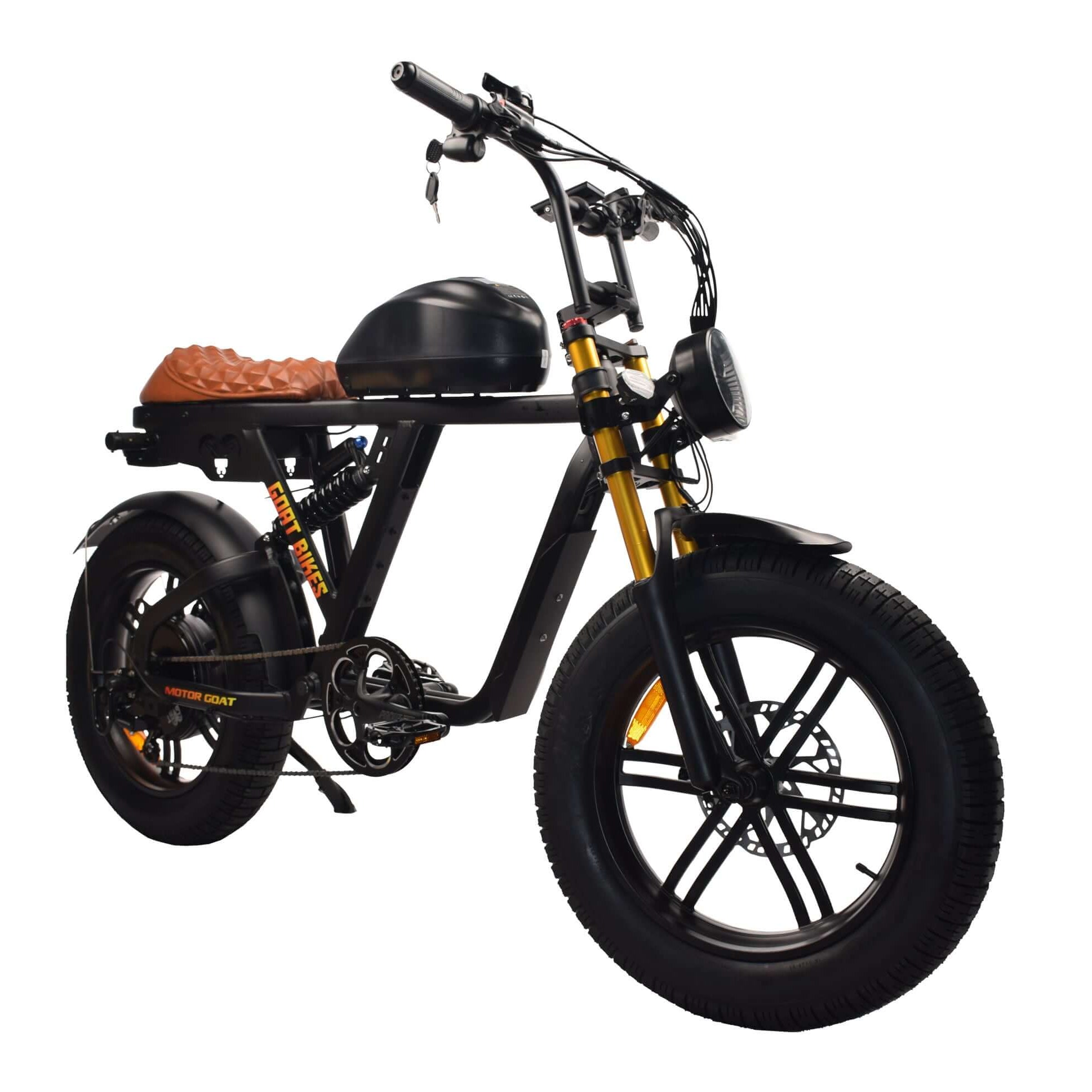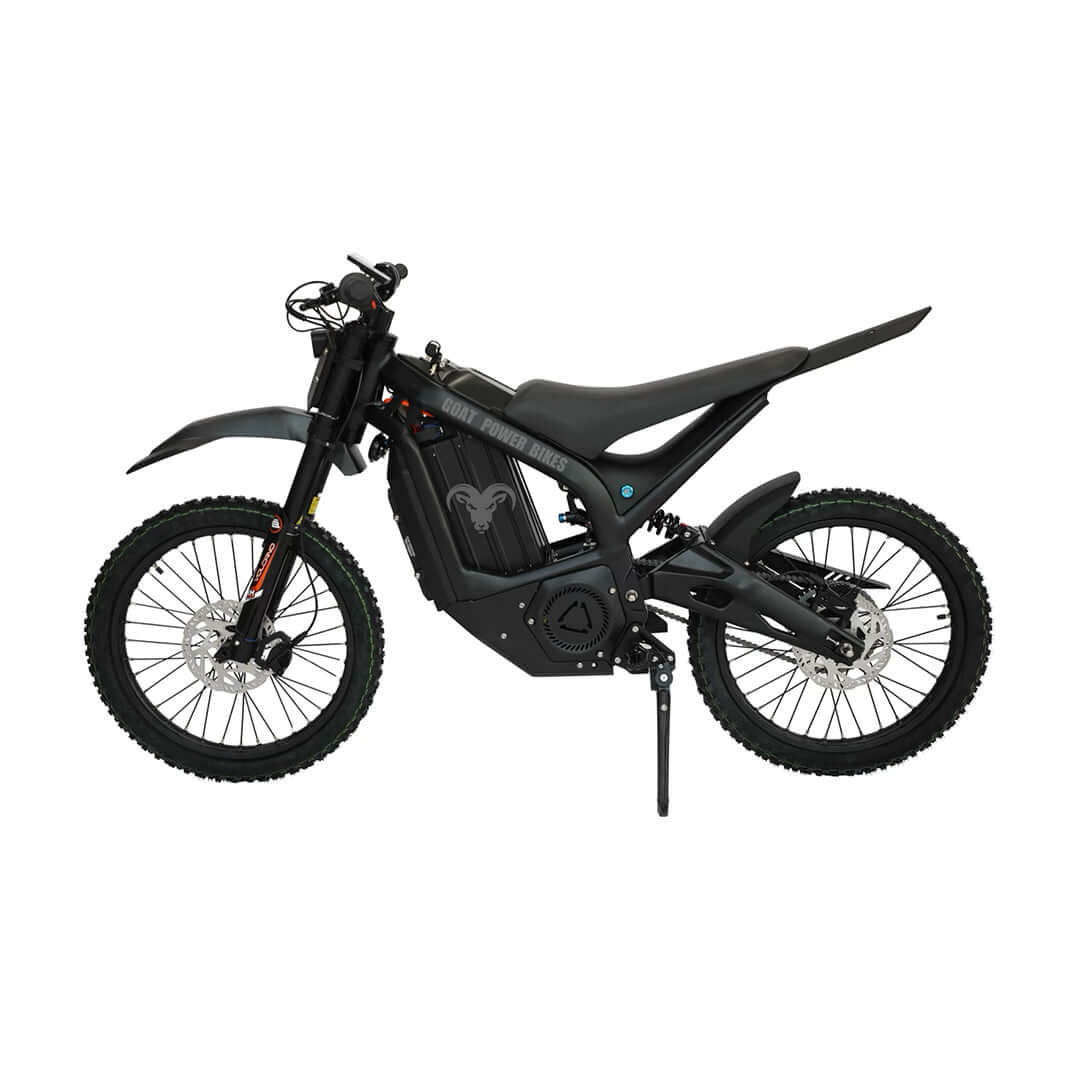

E-bikes are more popular than ever, used for commuting, exercising, and exploring city streets and suburban trails alike. But as electric bikes blur the lines between bicycles and motorized vehicles, many riders are left wondering: Are e-bikes allowed on the road? Can I use bike lanes? What laws should I follow in 2025?
Whether you’re a first-time e-bike owner or upgrading to a faster model, understanding your rights and responsibilities on the road is crucial. In this guide, we’ll break down:
-
Whether e-bikes are street legal
-
What laws apply to riding in bike lanes or on roads
-
Class-based restrictions (Class 1, 2, and 3)
-
State-specific differences in e-bike rules
-
What to watch out for in 2025
Let’s dive in.
Are E-Bikes Street Legal in 2025?
Yes, most electric bikes are street legal in the United States. However, how and where you’re allowed to ride depends on the class of e-bike you're riding, as well as your state and local regulations.
To regulate usage, e-bikes are typically divided into three main classes:
-
Class 1: Pedal-assist only, with a maximum assisted speed of 20 mph. These bikes don’t have a throttle.
-
Class 2: Throttle-assisted bikes with a max speed of 20 mph. You can ride without pedaling.
-
Class 3: Pedal-assist up to 28 mph. These often include speedometers and may be restricted from certain paths.
Each class comes with its own set of legal permissions and restrictions, especially when it comes to riding on the street or in bike lanes.
E-Bikes on Public Roads: What’s Allowed?
In most states, Class 1, 2, and 3 e-bikes are allowed on the same roads as traditional bicycles. That means:
-
You can ride on streets and local roads
-
You must follow traffic laws, including stop signs and signals
-
No license or registration is needed for Class 1 and 2 e-bikes in most states
-
Class 3 e-bikes may have additional requirements like age minimums or helmet laws
Keep in mind that some municipalities have their own rules, so always check your city's Department of Transportation website for specifics.
Can You Ride E-Bikes in Bike Lanes?
This is where things get a bit more complicated, because it depends on both your e-bike class and the specific bike lane or trail.
Standard On-Street Bike Lanes
Most cities allow:
-
Class 1 and 2 e-bikes in standard bike lanes
-
Class 3 e-bikes are often restricted, especially in congested or narrow lanes
Shared-Use Paths
These are the wide paths often shared by cyclists, joggers, and walkers in parks or recreational areas.
-
Class 1 e-bikes are generally permitted
-
Class 2 e-bikes may be restricted in some states
-
Class 3 e-bikes are often prohibited unless otherwise posted
Off-Road or Mountain Trails
These are typically non-motorized trails. Most do not allow any class of e-bike unless explicitly stated. However, some mountain biking areas are starting to permit Class 1 e-MTBs on designated trails.
2025 Law Updates to Know
Electric bike laws are evolving fast. Here are a few trends to be aware of this year:
1. More States Are Adopting the Three-Class System
As of 2025, over 45 U.S. states have adopted the Class 1/2/3 system. That’s up from just a handful in 2015.
2. Some States Now Require Age Restrictions for Class 3
In California, for example, you must be 16+ to ride a Class 3 e-bike, and helmets are mandatory. Other states are adopting similar rules for higher-speed models.
3. National Parks and Federal Land Guidelines
In 2025, the National Park Service continues to allow Class 1 e-bikes wherever traditional bikes are permitted, but Class 2 and 3 bikes may be restricted. Always check with the specific park before riding.
4. Local Laws Are Becoming More Specific
Cities like New York, San Francisco, and Denver have started rolling out their own rules. For example, NYC permits Class 1 and 2 e-bikes on bike paths, but prohibits Class 3 e-bikes from using shared recreational trails.
Are Helmets Required for E-Bikes?
Helmet laws vary widely by state and bike class. A few examples:
-
California: Helmets required for all Class 3 riders and anyone under 18
-
Texas: No helmet laws for adults, even on Class 3 e-bikes
-
New York: Helmets required for all electric bike riders
Our advice? Wear a helmet no matter what, especially if you're riding a powerful e-bike like the Motor Goat or King Goat with speeds exceeding 30 mph.
Tips to Stay Street Legal
-
Know Your Bike’s Class
Your e-bike’s class affects where and how you can ride. If you're not sure, check your manufacturer’s documentation or controller settings. -
Don’t Tamper With Speed Restrictions
Modifying your bike to exceed 28 mph might classify it as a motor vehicle, opening you up to legal trouble and requiring DMV registration. -
Use Lights and Reflectors at Night
Most states require front white lights and rear red reflectors when riding after dark. -
Ride Predictably
Always signal turns, obey stop signs, and ride with traffic. E-bikes are fast, be extra mindful of cars that might not expect a bike to be going 25+ mph. -
Register Where Required
A few cities (like NYC and parts of Florida) require Class 2 or 3 bikes to be registered. Check local laws before hitting the road.
Final Thoughts
So, are e-bikes allowed on the road? Absolutely, but the rules depend on your bike’s class, your location, and how you ride. Most e-bike riders in 2025 will find that their bikes are legal on city streets, standard bike lanes, and many shared-use paths. However, Class 3 riders and those with modified bikes should be especially careful to stay within the law.
By understanding e-bike street laws, bike lane rules, and proper riding etiquette, you can enjoy the freedom of electric biking without the stress of fines or restrictions.