
If you've been shopping for an electric bike, you've probably come across two terms that are often confused: electric dirt bike and e-bike. While both are powered by electric motors and rechargeable batteries, they're built for very different purposes.
Whether you're looking for an off-road machine to tackle rugged trails or a comfortable bike for commuting around town, understanding the differences between an electric dirt bike and a traditional e-bike can help you make the right decision.
In this guide, we'll break down the biggest differences, compare their performance, and explain which type of electric bike is best suited for your riding style.
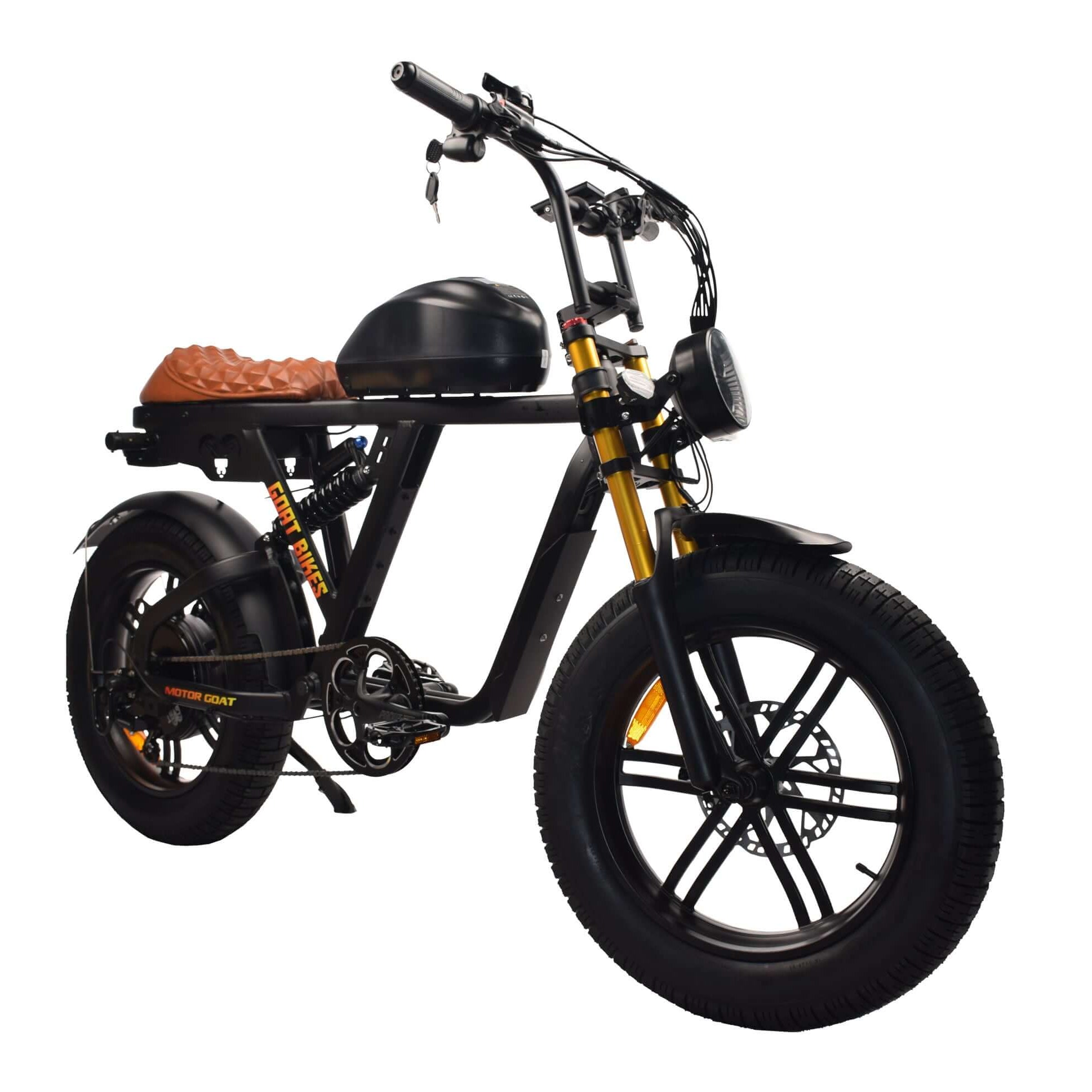
What Is an E-Bike?
An e-bike, short for electric bicycle, is designed to ride much like a traditional bicycle but with the assistance of an electric motor.
Most e-bikes feature:
- Pedals for human-powered riding
- Electric pedal assist
- Throttle on some models
- Bicycle-style frames
- Lightweight construction
- Tires designed for pavement or light trails
Many riders use e-bikes for:
- Daily commuting
- Fitness
- Neighborhood rides
- Bike paths
- Light gravel trails
- Recreational riding
E-bikes prioritize comfort, efficiency, and range over aggressive off-road capability.
What Is an Electric Dirt Bike?
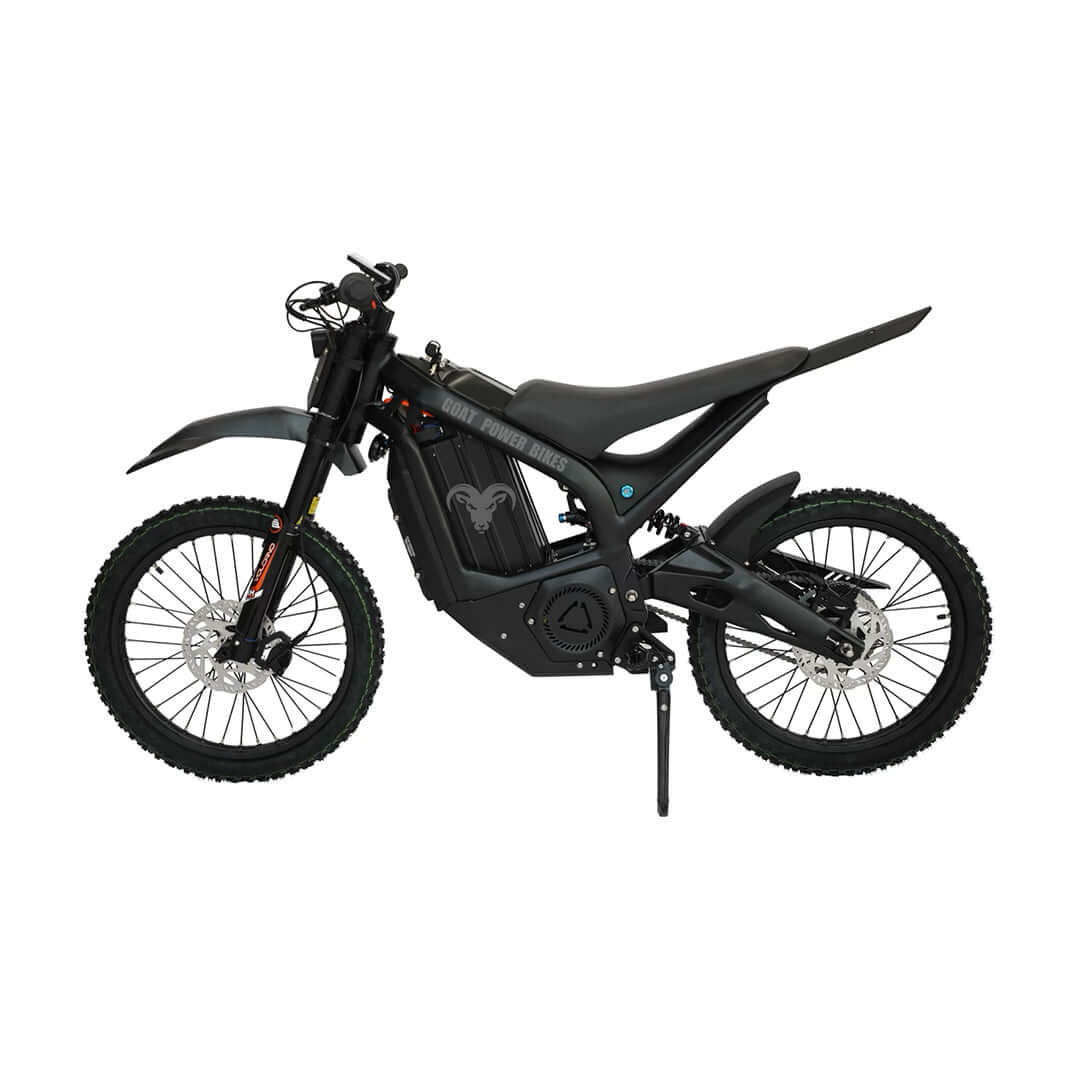
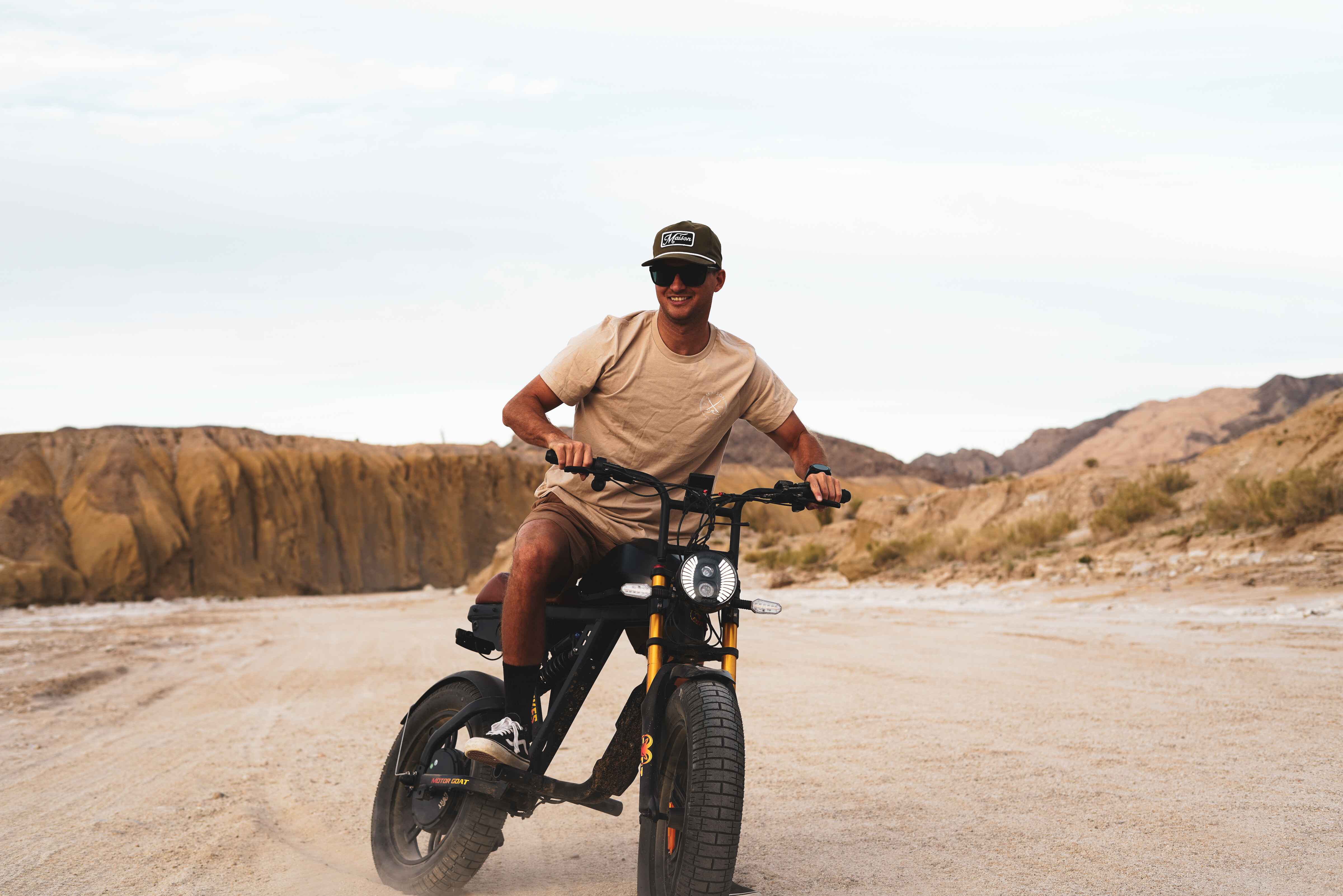
An electric dirt bike is purpose-built for off-road riding. Instead of focusing on commuting or casual riding, these bikes are designed to handle rough terrain, steep climbs, loose dirt, rocks, and technical trails.
Compared to a standard e-bike, an electric dirt bike typically includes:
- Long-travel suspension
- Heavy-duty frame construction
- High-performance motors
- Larger battery systems
- Aggressive off-road tires
- Motorcycle-style brakes
- Increased ground clearance
Electric dirt bikes are made for riders who want serious off-road capability and higher performance.
Frame Design
One of the first differences you'll notice is the frame.
Traditional e-bikes resemble bicycles with open-frame or step-over designs that prioritize comfort and efficiency.
Electric dirt bikes use stronger frames designed to withstand jumps, rough trails, and higher speeds.
These reinforced frames provide improved durability while keeping the bike stable over uneven terrain.
Suspension
Suspension is another major difference.
Most commuter e-bikes either have no suspension or a basic front suspension fork.
Electric dirt bikes usually feature:
- Long-travel front suspension
- Rear suspension
- Adjustable components
- Increased wheel travel
This allows riders to absorb bumps, rocks, roots, and jumps much more comfortably.
If your goal is riding dirt trails, suspension quality quickly becomes one of the most important features.
Tires
Tires dramatically affect where a bike performs best.
Most e-bikes use smoother tires designed for pavement and mixed-use riding.
Electric dirt bikes use aggressive knobby tires that provide traction on:
- Dirt
- Mud
- Gravel
- Sand
- Rocky terrain
The added grip allows riders to maintain better control in challenging off-road conditions.
Power and Performance
Performance is where electric dirt bikes begin to separate themselves.
Traditional e-bikes are designed to provide smooth assistance while riding.
Electric dirt bikes focus on:
- Rapid acceleration
- High torque
- Hill climbing
- Off-road capability
- Performance under demanding conditions
If you're riding steep trails or loose terrain, having additional torque can make a significant difference.
Top Speed
Many riders immediately compare top speeds when shopping.
While speeds vary by model and local regulations, electric dirt bikes generally deliver significantly more performance than standard commuter e-bikes.
However, top speed isn't the only factor that matters.
Battery voltage, controller tuning, rider weight, terrain, gearing, and tire choice all influence real-world performance.
Battery Systems
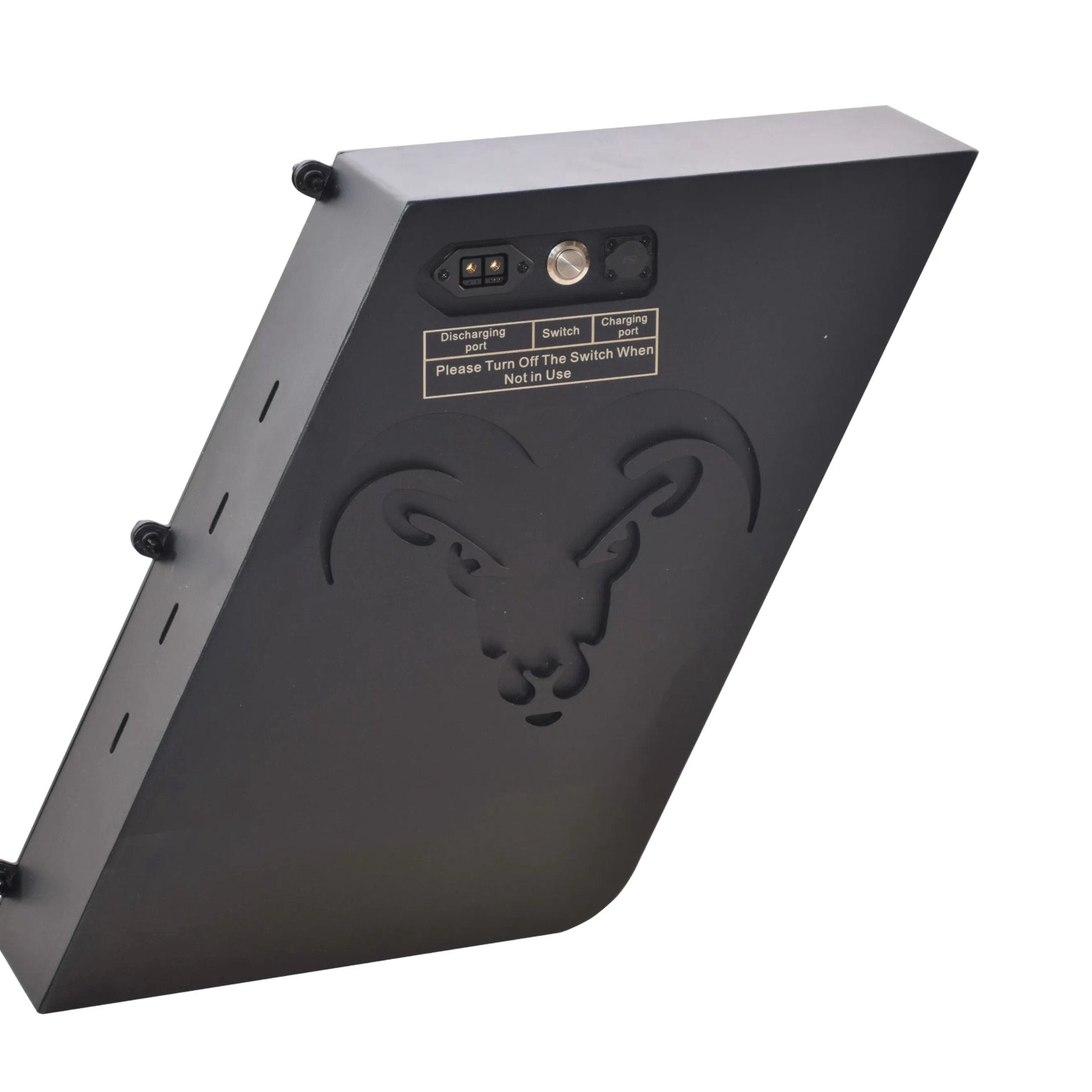
Both types of bikes use rechargeable lithium-ion batteries, but they're designed with different priorities.
Traditional e-bikes typically focus on maximizing range while maintaining lightweight construction.
Electric dirt bikes often use larger battery systems capable of delivering higher power output during demanding riding situations.
The result is stronger acceleration and improved off-road performance.
Riding Position
Comfort also varies considerably.
Most commuter e-bikes feature an upright riding position that's ideal for longer rides and city streets.
Electric dirt bikes place riders in a more aggressive position for improved control during acceleration, braking, and technical trail riding.
The riding position helps distribute weight more effectively when navigating uneven terrain.
Maintenance
One advantage of electric bikes is that both require less maintenance than comparable gas-powered motorcycles.
However, electric dirt bikes experience greater mechanical stress because of the environments they're ridden in.
Regular maintenance should include:
- Chain cleaning and lubrication
- Tire inspections
- Brake inspections
- Suspension checks
- Battery care
- Bolt inspections
Keeping up with routine maintenance helps ensure consistent performance and extends the life of your bike.
If you're looking for maintenance guides, visit our blog for step-by-step tutorials covering brake pads, chain replacement, battery care, and other common service procedures.
If you'd rather have a professional inspect your bike, HandyMechanic is a great resource for finding experienced bike mechanics in your local area.
Which One Is Better for Off-Road Riding?
If your goal is exploring trails, riding fire roads, climbing hills, or tackling technical terrain, an electric dirt bike is the clear winner.
Its stronger frame, larger suspension, higher ground clearance, and off-road tires are designed specifically for those environments.
While some e-bikes can handle light gravel paths, they're generally not intended for aggressive off-road riding.
Which One Is Better for Commuting?
For commuting, neighborhood rides, bike paths, and casual weekend cruising, a traditional e-bike often makes more sense.
They're typically:
- More comfortable
- More efficient
- Easier to pedal
- Designed for everyday transportation
Choosing the right bike depends on where you'll spend most of your riding time.
Choosing the Right Bike for You
Before making a purchase, ask yourself a few questions:
- Will I mostly ride on pavement or dirt?
- Do I want maximum range or maximum performance?
- Am I commuting or riding for recreation?
- Will I be riding trails every weekend?
- How important are suspension and ground clearance?
Your answers will quickly point you toward the right type of bike.
Explore Goat Power Bikes
If your goal is tackling dirt trails, climbing hills, and enjoying the thrill of off-road riding, the Dirt Goat is built specifically for those adventures. Its rugged design, capable suspension, and powerful electric drivetrain make it an excellent choice for riders who want to venture beyond the pavement.
If you're looking for a versatile electric bike that blends everyday usability with exciting performance, the King Goat delivers smooth power, comfortable ergonomics, and an enjoyable ride whether you're cruising around town or exploring new roads.
Final Thoughts
Although electric dirt bikes and e-bikes share similar technology, they're designed with completely different riders in mind.
Traditional e-bikes focus on comfort, commuting, and everyday transportation, while electric dirt bikes prioritize performance, durability, and off-road capability.
The best choice ultimately comes down to how you plan to ride. If your adventures take you onto dirt trails, rugged terrain, and challenging climbs, an electric dirt bike offers the suspension, power, and confidence needed to tackle those environments. For riders focused on commuting or recreational rides around town, a traditional e-bike may be the better fit.
Understanding these differences will help you choose a bike that delivers the riding experience you're looking for and keeps you smiling every time you hit the throttle.