

California e-bike regulations are governed primarily by the California Vehicle Code and reinforced by guidance from the California Department of Motor Vehicles and Caltrans. If you ride or plan to purchase an electric bike in California, understanding these laws is essential to remain compliant and avoid fines.
Electric bikes are not treated the same as motorcycles or mopeds under California law. However, once a bike exceeds specific power or speed thresholds, the legal classification changes. This guide breaks down exactly what is legal in California in 2026, based on state statutes and official agency guidance.
For official statutory language, see:
California Vehicle Code Section 312.5
California Vehicle Code Sections 21200–21213
California DMV Motorized Bicycle Guidelines
What Legally Qualifies as an E-Bike in California?
Under California Vehicle Code §312.5, an electric bicycle must meet all of the following criteria:
It has fully operable pedals.
It has an electric motor of 750 watts or less.
It falls within one of the three legally defined e-bike classes.
If a bike exceeds 750 watts or provides motor assistance beyond 28 mph, it is no longer legally classified as an electric bicycle. At that point, it may be categorized as a moped or motor-driven cycle under California law, which triggers registration, licensing, and potentially insurance requirements.
This distinction is critical for high-performance electric bikes.
California’s Official 3-Class E-Bike System
California recognizes three classes of electric bicycles.
Class 1
Pedal-assist only. Motor assistance stops at 20 mph. Allowed on most bike paths and trails where traditional bicycles are permitted.
Class 2
Throttle-assisted. Motor assistance stops at 20 mph. Generally allowed on bike lanes and multi-use paths unless local authorities restrict access.
Class 3
Pedal-assist only. Motor assistance stops at 28 mph. Must be equipped with a speedometer. Restricted primarily to bike lanes on roadways and not permitted on most shared-use paths unless a local agency specifically allows them.
These classifications are defined in California Vehicle Code §312.5 and enforced statewide, although local municipalities can adopt additional restrictions for certain paths and trails.
Where Can You Ride an E-Bike in California?
Under California Vehicle Code §21207.5 and related sections, local governments may regulate e-bike access to specific trails and pathways.
Public Roads and Bike Lanes
All three classes of e-bikes are permitted.
Multi-Use Paths and Bike Trails
Class 1 and Class 2 e-bikes are typically allowed. Class 3 e-bikes are generally prohibited unless authorized by local ordinance.
State Parks and Natural Areas
The California Department of Parks and Recreation allows Class 1 e-bikes on many trails where traditional bicycles are permitted, but Class 2 and Class 3 access varies by location. Riders should check park-specific regulations.
National Forests and BLM Land
The U.S. Forest Service and Bureau of Land Management may treat e-bikes as motorized vehicles on certain trails. Always verify access rules before riding.
For official trail access information, consult:
California State Parks website
U.S. Forest Service regional guidance
BLM California recreation pages
Local cities such as San Diego, Los Angeles, and San Francisco may impose additional municipal regulations.
Do You Need a License or Registration for an E-Bike in California?
According to the California DMV, Class 1, Class 2, and Class 3 e-bikes do not require:
Driver’s license
Vehicle registration
License plate
Insurance
However, riders of Class 3 e-bikes must be at least 16 years old.
If a vehicle exceeds the legal definition of an electric bicycle, it may fall under moped classification, which requires DMV registration and a valid driver’s license.
Official reference:
California DMV Motorized Bicycle Page
California Helmet Laws for E-Bike Riders
Helmet requirements are defined under California Vehicle Code §21213.
Class 1 and Class 2
Helmets are required for riders under 18 years old.
Class 3
Helmets are required for all riders, regardless of age.
Even when not legally mandated, helmets are strongly recommended due to increased average riding speeds.
Required Equipment for Legal Operation
California requires the following equipment for compliant electric bicycles:
Operational pedals
Motor rated at 750 watts or less
Proper class labeling by the manufacturer
For Class 3, a speedometer
When riding at night, bicycles must have:
A white front light visible from 300 feet
A red rear reflector or light
Side reflectors
Brake systems must be capable of making a one-wheel skid on dry pavement.
These requirements are outlined in California Vehicle Code §§21201–21212.
What Happens If Your E-Bike Is Over 750W?
This is where many high-performance bikes create confusion.
If your electric bike:
Exceeds 750 watts
Provides motor assistance beyond 28 mph
Lacks operable pedals
It may no longer qualify as an electric bicycle under California law. Instead, it may be categorized as a moped or motor-driven cycle, which requires registration, a license, and potentially insurance.
Before modifying or purchasing a high-output model, verify how it is legally classified.
FAQ: California E-Bike Regulations
Are 1000W e-bikes legal in California?
If the motor exceeds 750 watts, it does not qualify as an electric bicycle under California law and may require registration as a moped.
Can you ride an e-bike on sidewalks in California?
Sidewalk access depends on local ordinances. Many cities restrict bicycle use on sidewalks in business districts.
Do electric bikes need insurance in California?
No insurance is required for Class 1, 2, or 3 electric bicycles.
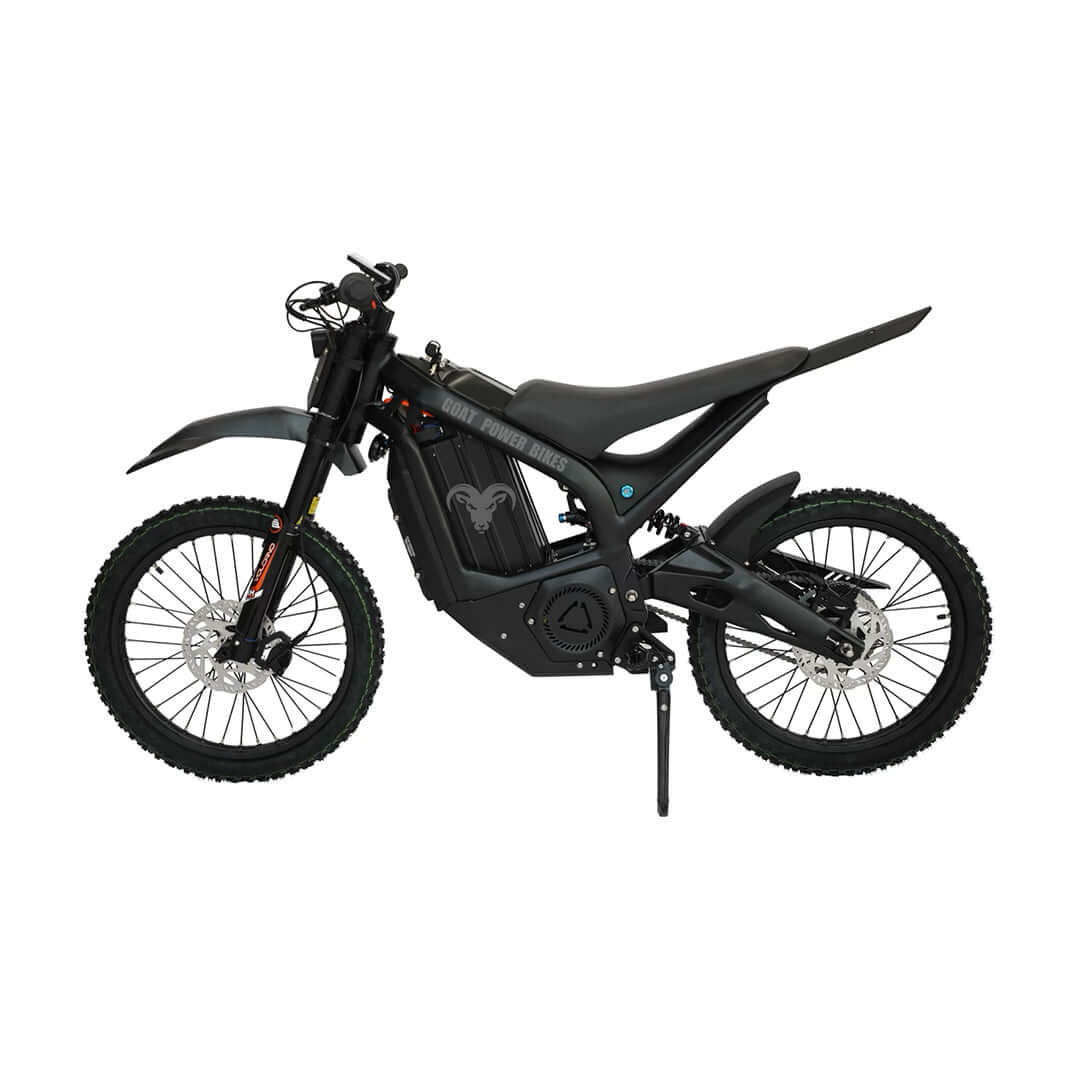
Are electric dirt bikes street legal in California?
If they exceed e-bike classifications, they may be regulated as off-highway vehicles or motorcycles.
Choosing a California-Compliant Electric Bike
If you want performance while staying within California e-bike regulations, selecting a properly classified model is essential.
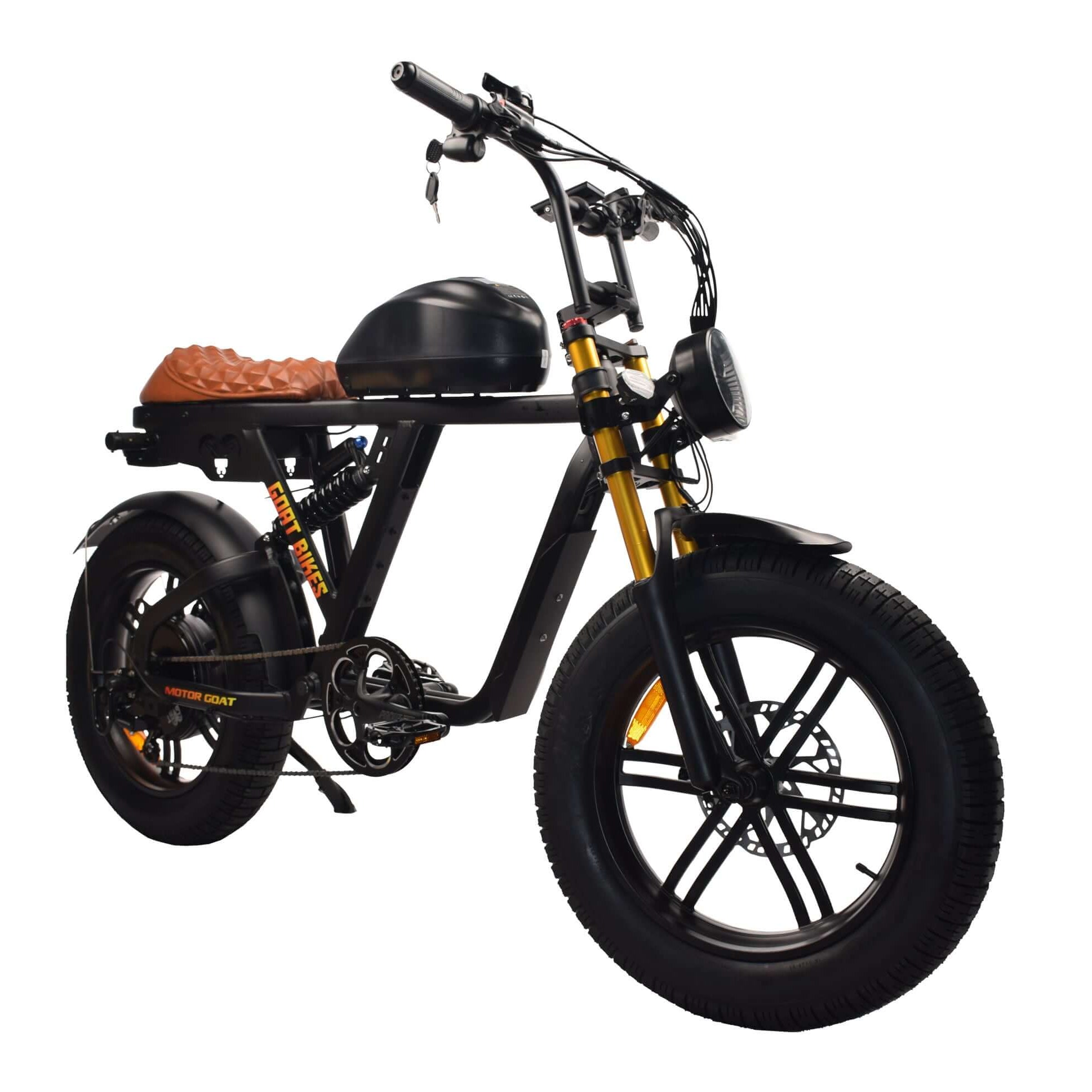
Our Street Legal collection is built to align with California Vehicle Code §312.5 and the state’s three-class system. These bikes are designed to remain compliant while delivering strong real-world performance.
Street Legal Specifications:
Class 2 throttle and Class 3 pedal assist
750W continuous power with 1,000W peak
70NM of torque
Max throttle speed of 20 MPH
Max pedal assist speed of 25 MPH
Because these models operate within California’s Class 2 and Class 3 speed limits, they do not require DMV registration, licensing, or insurance when used as designed.
Choosing a properly classified electric bike ensures you can ride confidently while staying compliant with California law.
Final Thoughts on California E-Bike Laws
California e-bike regulations are designed to balance innovation and safety. Most riders operating within the three-class system can legally ride without registration or insurance, provided they follow speed limits, helmet requirements, and access restrictions.
Before riding, confirm:
Your e-bike class
Where that class is permitted
Helmet and age rules
Whether your bike exceeds the 750W threshold
For the most accurate legal language, consult the California Vehicle Code or the California DMV website.
Staying informed protects your freedom to ride and ensures long-term compliance as laws continue to evolve.



Comments
Where can I buy one already assembled.