
Tire pressure might not be the first thing you think about when riding an electric bike, but it plays a massive role in how your e-bike performs. Whether you’re chasing top speed, maximum range, or just a smooth commute, running the right PSI (pounds per square inch) is key.
In this guide, we’ll break down exactly what tire pressure you should aim for, how terrain and rider weight affect it, and why over- or under-inflating your tires could ruin your ride. Whether you’re on a King Goat going 60+ MPH or a Mini Goat commuting to work, this guide will help you find the sweet spot.
Why Tire Pressure Matters on an E-Bike
Electric bikes are heavier and faster than traditional bikes, so tire pressure matters even more. Your PSI affects:
-
Traction: Too much pressure reduces grip, especially on loose or wet terrain. Too little, and your tires might fold or slip in corners.
-
Range: Lower pressure increases rolling resistance, which forces the motor to work harder and drains your battery faster.
-
Comfort: Higher pressure feels bumpier, while lower pressure absorbs shocks better, ideal for trails or bumpy city roads.
-
Puncture resistance: Over-inflated tires are more likely to burst on impact. Under-inflated tires are prone to pinch flats.
Finding the balance is crucial for safety and performance.
What’s the Recommended PSI for E-Bikes?
Here’s a general guide based on the type of e-bike and tire:
-
Commuter E-Bikes (like Mini Goat)
PSI Range: 50–70 PSI
These models usually run slicker tires and prioritize efficiency on pavement. A higher PSI gives you less rolling resistance and more range. If you want comfort, drop it closer to 50. -
Fat Tire E-Bikes
PSI Range: 10–30 PSI
These bikes are designed for snow, sand, or rough terrain. Lower PSI gives more traction, especially off-road. But be careful not to go too low or the tire may roll off the rim. -
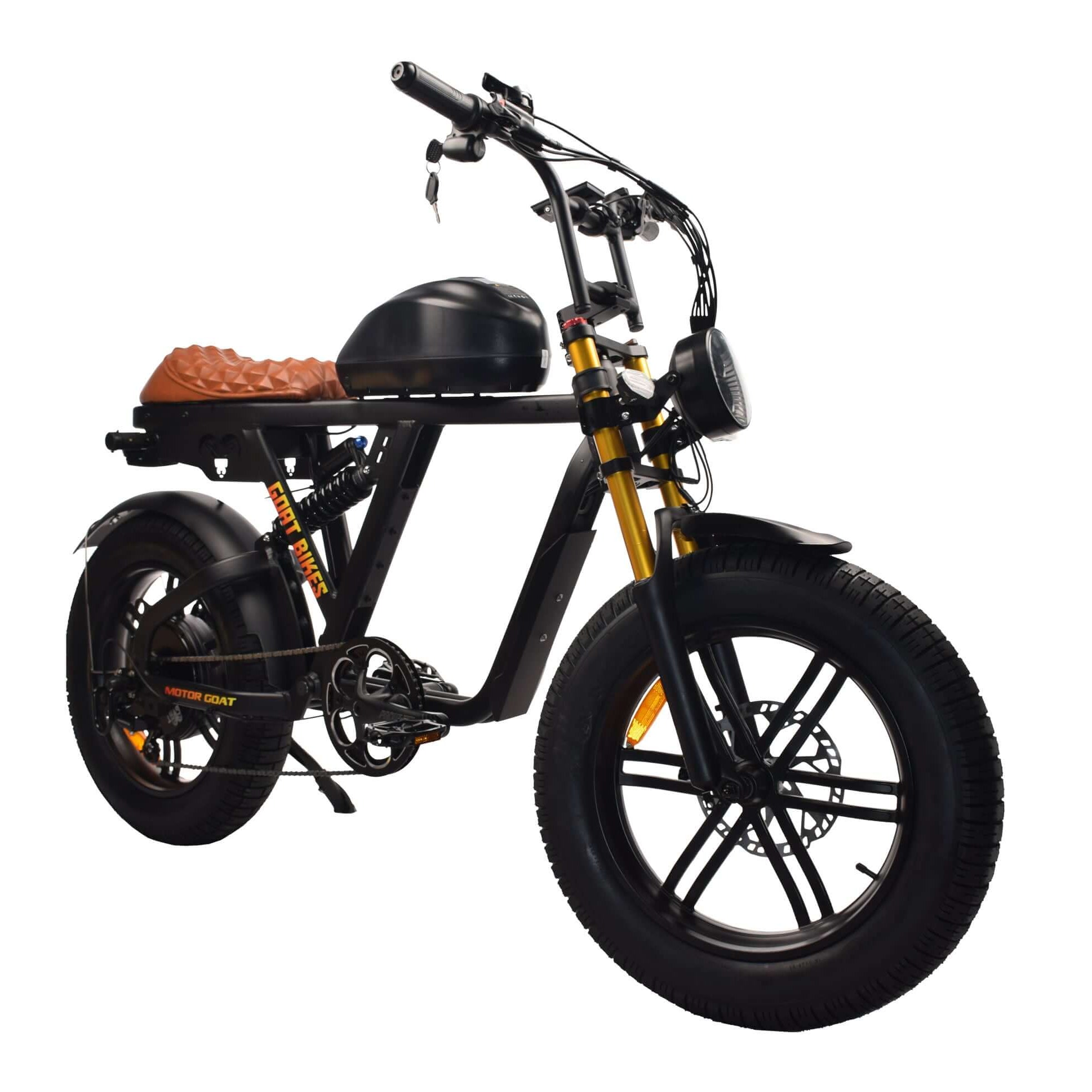
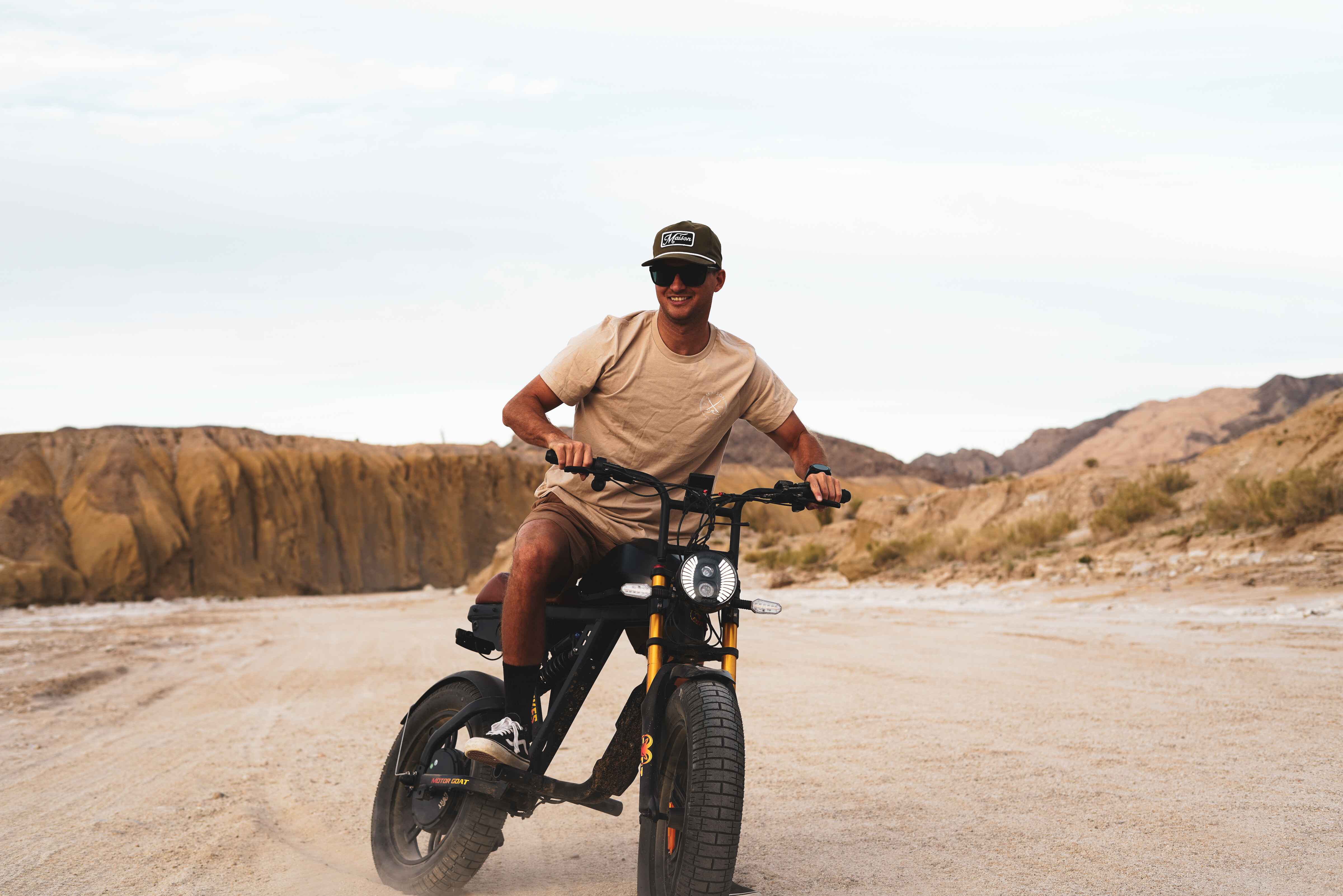
Performance/Hybrid E-Bikes (like King Goat, Motor Goat V3)
PSI Range: 30–45 PSI
These bikes balance speed, comfort, and grip. If you ride mostly on pavement, aim closer to 45 PSI. For mixed terrain or softer rides, around 30-35 PSI works better.
Always check the sidewall of your tire for the manufacturer’s recommended PSI range. That should be your starting point, but from there, adjust based on weight, conditions, and preference.
How Rider Weight Affects PSI
Heavier riders need more air pressure to support the added load without squishing the tire too much. A general rule of thumb:
-
If you weigh under 150 lbs, stay near the low end of the PSI range.
-
If you’re over 200 lbs, aim for the higher end of the PSI range.
For example, a 150 lb rider on a King Goat might run 30 PSI, while a 230 lb rider should try 40–45 PSI for better performance and safety.
How Terrain Affects Tire Pressure
You’ll want to adjust your PSI depending on where you ride:
-
Pavement: Higher PSI improves range and speed.
-
Gravel or dirt roads: Lower PSI improves traction and comfort.
-
Wet or slick conditions: Slightly lower PSI gives more grip.
-
Trails or mountain terrain: Drop it lower for control, but not so low that you risk a pinch flat.
If you switch terrains often, consider investing in a portable pump or digital PSI gauge to make quick adjustments.
Signs Your E-Bike Tire Pressure Is Wrong
Still not sure if you’re running the right PSI? Here are some red flags:
-
Too high: Your ride feels overly bouncy or unstable in corners, and you lose grip when braking or turning.
-
Too low: The bike feels sluggish, steering is delayed, or you hear the rim hitting obstacles. Also, look for sidewall wrinkles, these mean the tire is underinflated.
If you're constantly checking for flats or having to recharge your battery sooner than expected, incorrect tire pressure might be the reason.
How to Check and Adjust Your Tire Pressure
You’ll need a good tire pressure gauge or a pump with a built-in digital or analog gauge. Don’t rely on “feeling the tire”, e-bike tires can feel firm even when underinflated.
Here’s how to dial it in:
-
Check the sidewall of your tire for the PSI range.
-
Use a pressure gauge to see your current PSI.
-
Add or release air accordingly.
-
Ride a few miles and pay attention to grip, comfort, and speed.
-
Adjust again if needed.
Pro tip: Re-check your PSI weekly, especially during cold weather when pressure naturally drops.
Do Goat Power Bikes Have Tire Pressure Recommendations?
Yes. Every Goat Power Bike model includes a general tire pressure guide in the user manual or on the product page.
-
Mini Goat: Ideal for commuting. Run 55–65 PSI for best range.
-
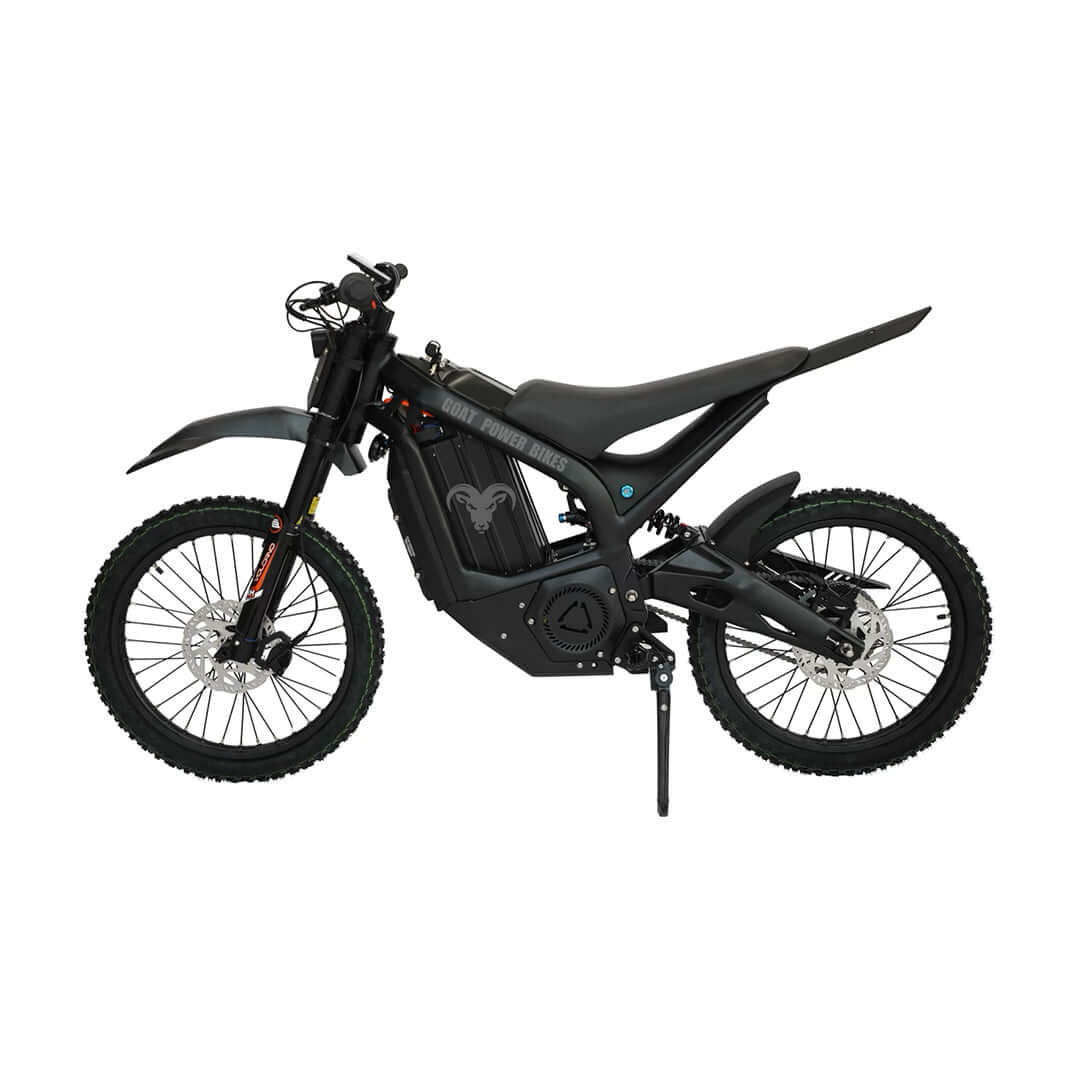
King Goat: With high speeds and hybrid terrain use, 35–45 PSI works best.
-
Motor Goat V3: Built for performance, try 30 PSI for trails, 40+ for road.
-
Dirt Goat 96V V2: Run lower PSI for grip on trails or dirt jumps, but increase for city riding.
Each rider is different, so these are starting points. Test and tune based on your needs.
Final Thoughts: What’s the Best PSI?
There’s no one-size-fits-all number. The best tire pressure for your e-bike depends on your model, your weight, and where you ride.
That said, don’t ignore it. The difference between a dialed-in PSI and a random guess could mean extra miles, more control, and a much more enjoyable ride.
Looking to maximize your performance? Whether it’s grip, speed, comfort, or battery range, you’d be surprised how much a few PSI can change your ride.
And if you’re still searching for the perfect e-bike, check out the Motor Goat V3, King Goat, or Mini Goat. Each offers a unique riding experience designed for real-world performance.