
Why Your E-Bike Battery Drains Fast (And How to Fix It)
If your e-bike battery seems to be draining faster than expected, you are not alone. This is one of the most common concerns among electric bike riders, especially as performance expectations increase with more powerful motors and longer rides. Whether you are noticing a sudden drop in range or your battery is not lasting as long as it used to, understanding the cause is the first step toward fixing the problem.
Battery performance is influenced by a combination of factors including riding habits, terrain, environmental conditions, and the health of the battery itself. In many cases, a fast-draining battery is not a defect but simply the result of how the bike is being used.
In this guide, we break down the most common reasons why your e-bike battery drains quickly and explain how to fix each issue so you can maximize your range and performance.
High Speed Riding and Aggressive Throttle Use
One of the biggest reasons e-bike batteries drain quickly is riding at high speeds or using aggressive throttle input. High-performance e-bikes are designed to deliver strong acceleration and torque, but that power comes at a cost.
The faster you ride, the more energy your motor consumes. Riding at top speed for extended periods will significantly reduce your battery range compared to moderate riding speeds. Similarly, repeatedly accelerating hard from a stop requires a large burst of power, which drains the battery faster.
If you are trying to extend your battery life, smoother acceleration and maintaining a steady speed can make a noticeable difference. Using lower power modes when possible also helps conserve energy without sacrificing the overall riding experience.
Riding in High Power Modes
Many e-bikes offer multiple riding modes such as Eco, Normal, and Sport or high-performance settings. While higher modes provide more power and speed, they also increase energy consumption.
If you primarily ride in the highest power mode, your battery will drain much faster than if you use a more balanced setting. Switching to a lower power mode during longer rides can significantly extend your range.
High-performance bikes are designed to give you flexibility, so adjusting your riding mode based on your needs is one of the easiest ways to manage battery usage.
Terrain and Riding Conditions
Terrain plays a major role in how quickly your battery drains. Riding uphill requires much more energy than riding on flat ground because the motor has to work harder to overcome gravity.
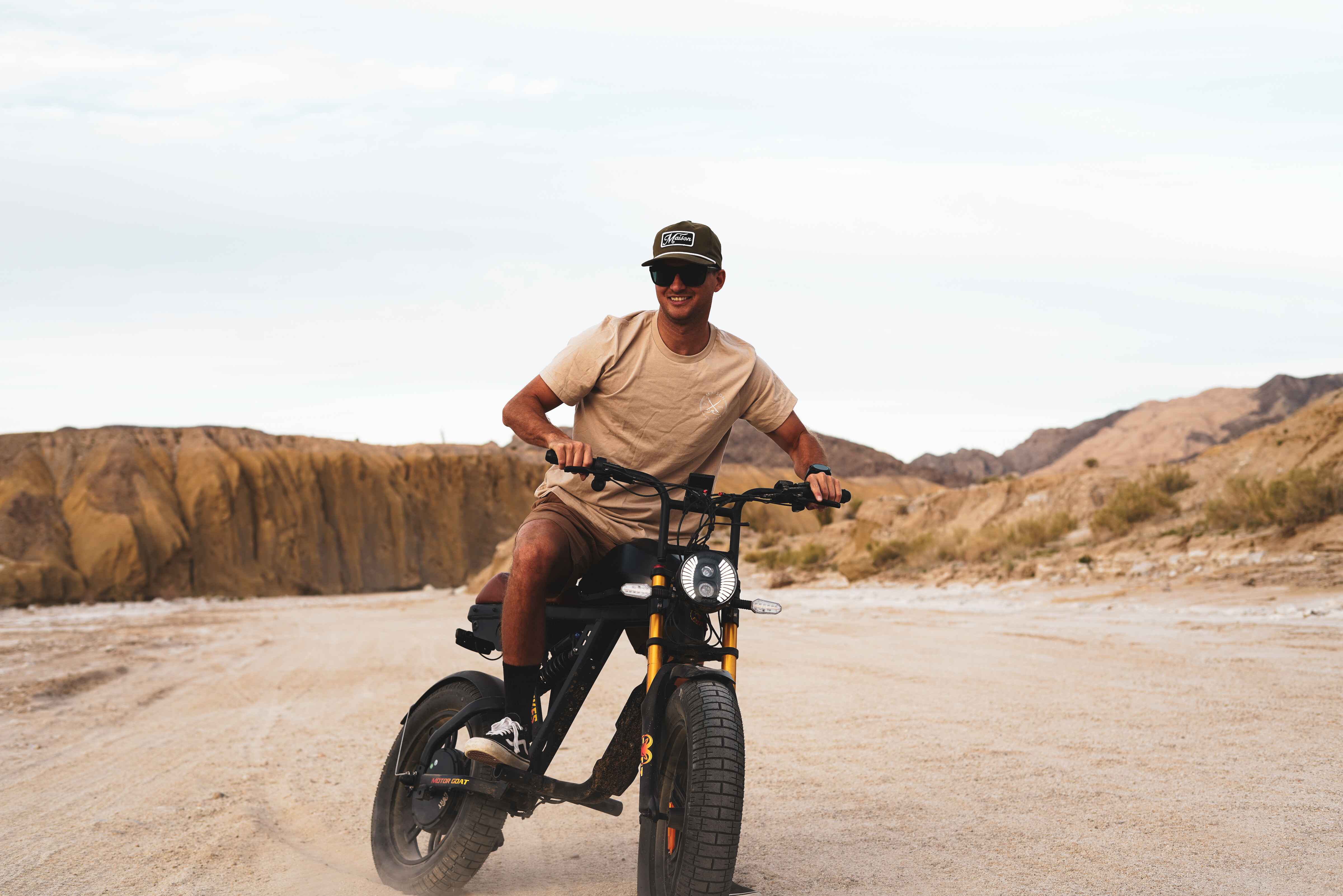
Similarly, riding on sand, dirt, mud, or rough trails increases resistance and forces the motor to use more power. Even strong headwinds can impact range by increasing drag.
If you notice your battery draining faster on certain rides, consider the terrain and conditions. This is completely normal and expected with any electric bike.
Rider Weight and Load
The total weight your e-bike is carrying has a direct impact on battery consumption. Heavier riders or additional cargo require more power to move, which increases energy usage.
This is especially noticeable when accelerating or riding uphill. While you cannot always control weight, being aware of how it affects performance can help set realistic expectations for battery range.
High-performance e-bikes are built to handle heavier loads, but increased weight will still reduce overall efficiency.
Cold Weather and Temperature Effects
Temperature is one of the most overlooked factors affecting e-bike battery performance. Lithium-ion batteries perform best within a moderate temperature range. When temperatures drop, battery efficiency decreases.
In colder weather, you may notice that your range is reduced even if your riding habits remain the same. This is because the chemical reactions inside the battery slow down in low temperatures.
To minimize this effect, store your battery indoors when not in use and avoid leaving it exposed to cold conditions for extended periods. Warming the battery before riding can help improve performance.
Battery Age and Wear
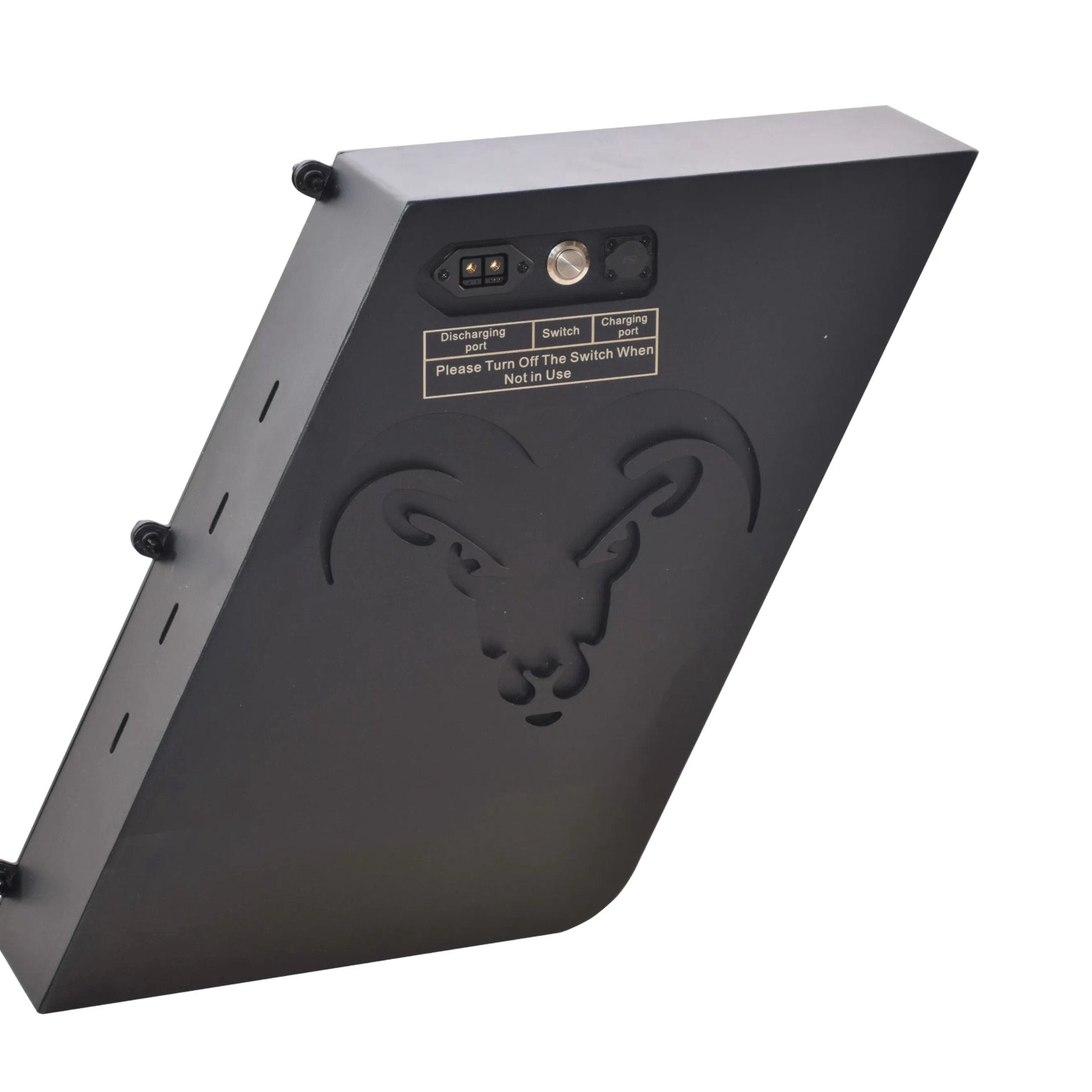
Over time, all e-bike batteries naturally degrade. This is a normal part of lithium-ion battery life. As the battery ages, it loses its ability to hold a full charge, which results in reduced range.
If your battery is several years old or has gone through many charge cycles, it may not perform as well as it did when it was new.
Signs of battery wear include shorter ride times, longer charging times, and inconsistent performance. In these cases, replacing the battery may be the best solution to restore full range.
Improper Charging Habits
How you charge your e-bike battery can also affect its long-term performance. Frequently draining the battery to zero or leaving it fully charged for extended periods can accelerate wear.
For optimal battery health, it is recommended to keep the charge level between moderate ranges when possible. Avoid letting the battery sit completely empty or fully charged for long periods without use.
Using the correct charger and following manufacturer recommendations helps maintain battery efficiency over time.
Tire Pressure and Mechanical Resistance
Low tire pressure is an often overlooked cause of increased battery drain. Underinflated tires create more rolling resistance, which forces the motor to work harder to maintain speed.
Similarly, issues such as dragging brakes or misaligned components can reduce efficiency and increase energy consumption.
Regularly checking tire pressure and ensuring your bike is properly maintained can help improve both performance and battery life.
How to Improve Your E-Bike Battery Range
Improving battery range does not require major changes. Small adjustments in how you ride and maintain your bike can make a noticeable difference.
Riding at moderate speeds, using appropriate power modes, and keeping your bike in good mechanical condition all contribute to better efficiency. Paying attention to environmental factors such as terrain and temperature also helps set realistic expectations.
Battery care plays a major role as well. Proper charging habits and storage conditions can extend the life of your battery and keep it performing at its best.
Performance Matters: Choosing the Right E-Bike
Not all e-bikes are built the same when it comes to battery performance. High-quality systems with larger capacity batteries and efficient motors are designed to deliver better range and more consistent power.
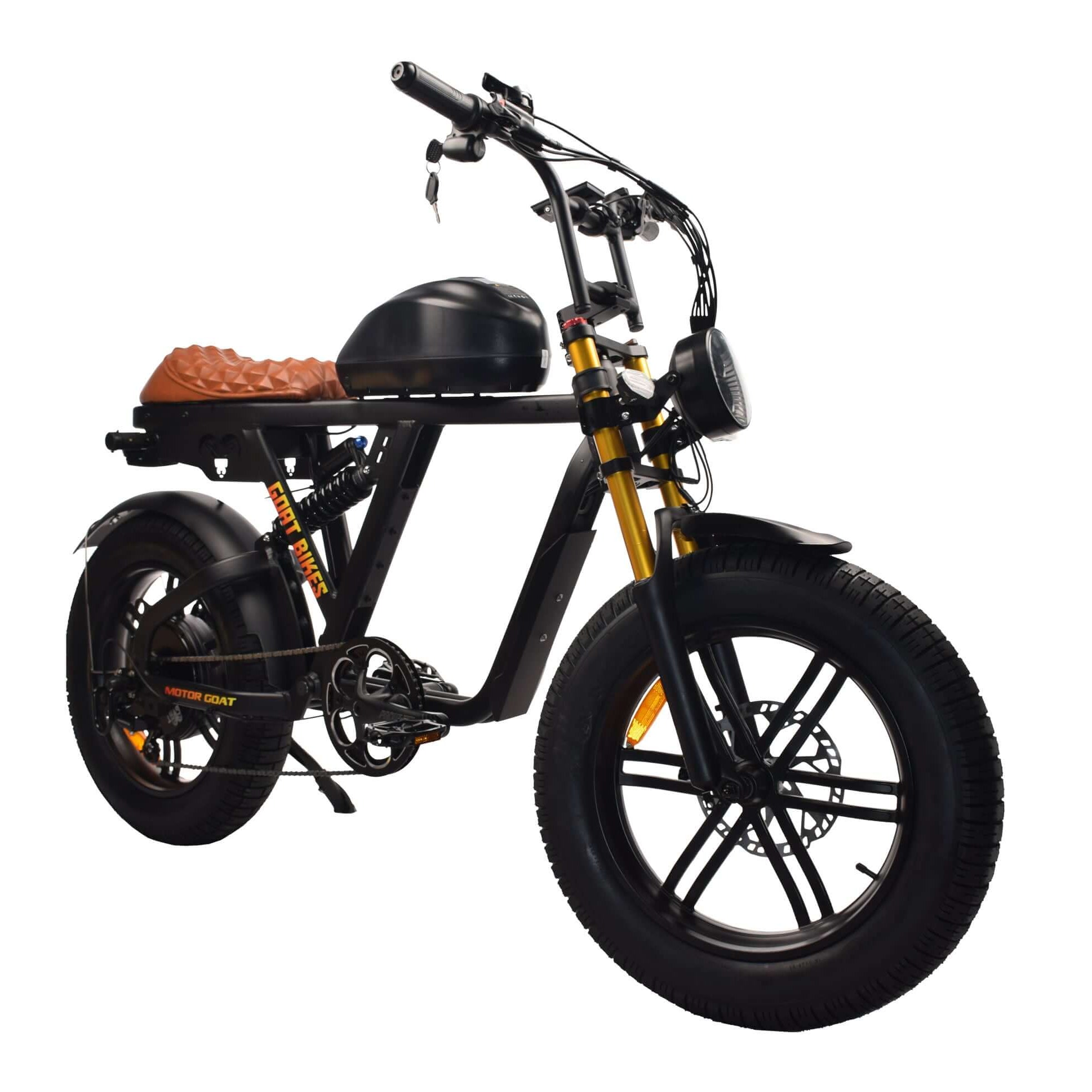
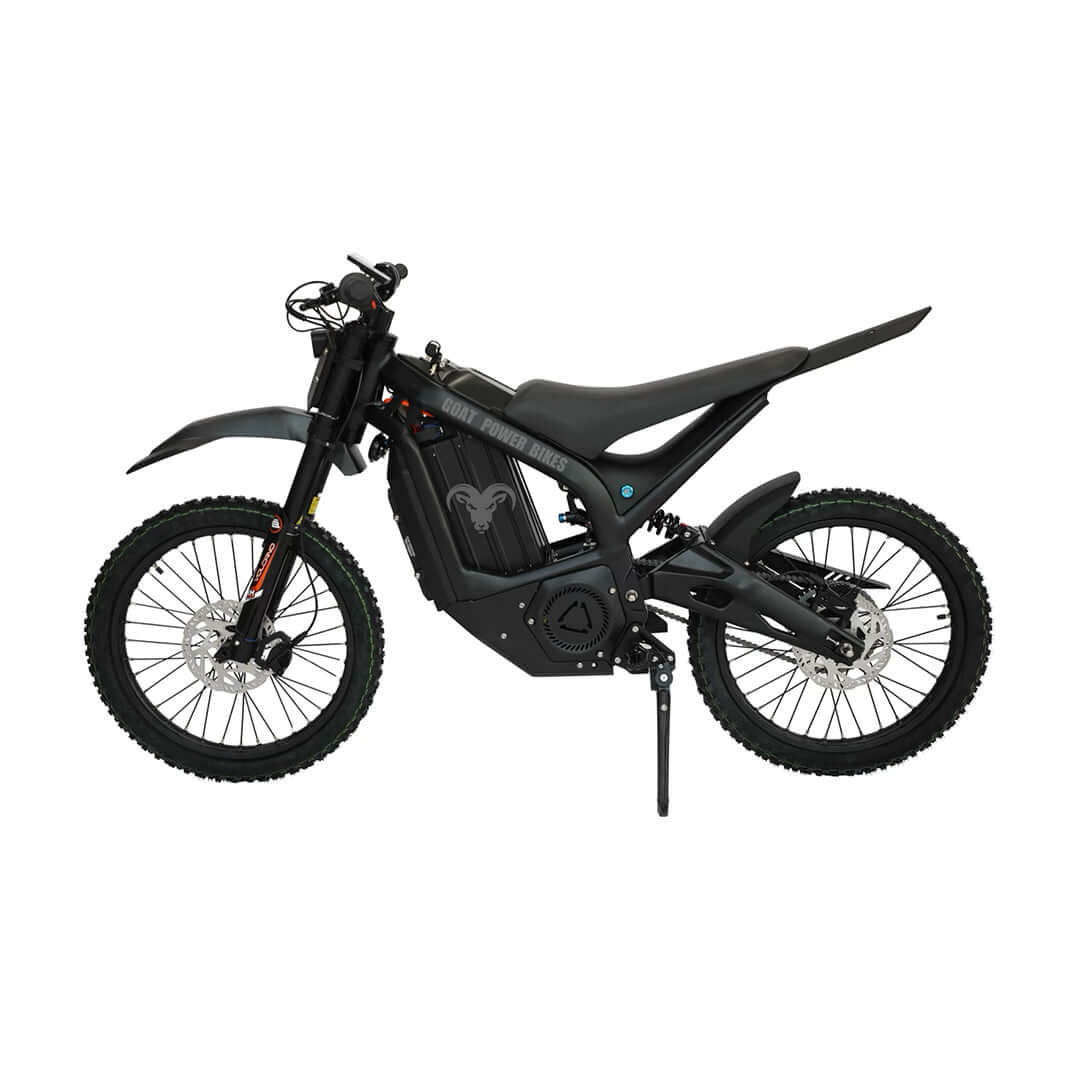
Models like the Dirt Goat 96V, King Goat, and Motor Goat V3 are built with performance and efficiency in mind, allowing riders to balance speed and range based on their riding style. With advanced power systems and optimized components, these bikes are designed to handle real-world conditions without sacrificing performance.
Choosing a well-built e-bike from the start can make a significant difference in long-term battery performance and overall riding experience.
When to Get Professional Help
If you have tried adjusting your riding habits, checked your tire pressure, and followed proper charging practices but your e-bike battery is still draining quickly, it may be time to have your bike inspected by a professional. Issues such as battery degradation, wiring problems, or controller inefficiencies are not always visible and may require expert diagnosis.
A convenient way to find a qualified technician near you is through HandyMechanic. This platform allows you to search for experienced bike mechanics in your area who can help diagnose battery issues, test performance, and make sure your e-bike is running at its full potential.
Getting a professional evaluation can save you time, prevent further damage, and ensure your bike continues to perform the way it should.