
Electric bikes aren’t just for sunny rides and warm commutes, but winter weather does bring its own set of challenges. Cold temperatures, moisture, and snow can all impact your e-bike's performance and longevity. Whether you're planning to ride through winter or store your bike until spring, proper care is crucial.
In this blog post, we’ll break down the most important tips for storing, riding, and maintaining your e-bike in the winter months, including how to handle snow, how cold impacts battery health, and how to prevent corrosion and wear.
Can You Ride an E-Bike in the Snow?
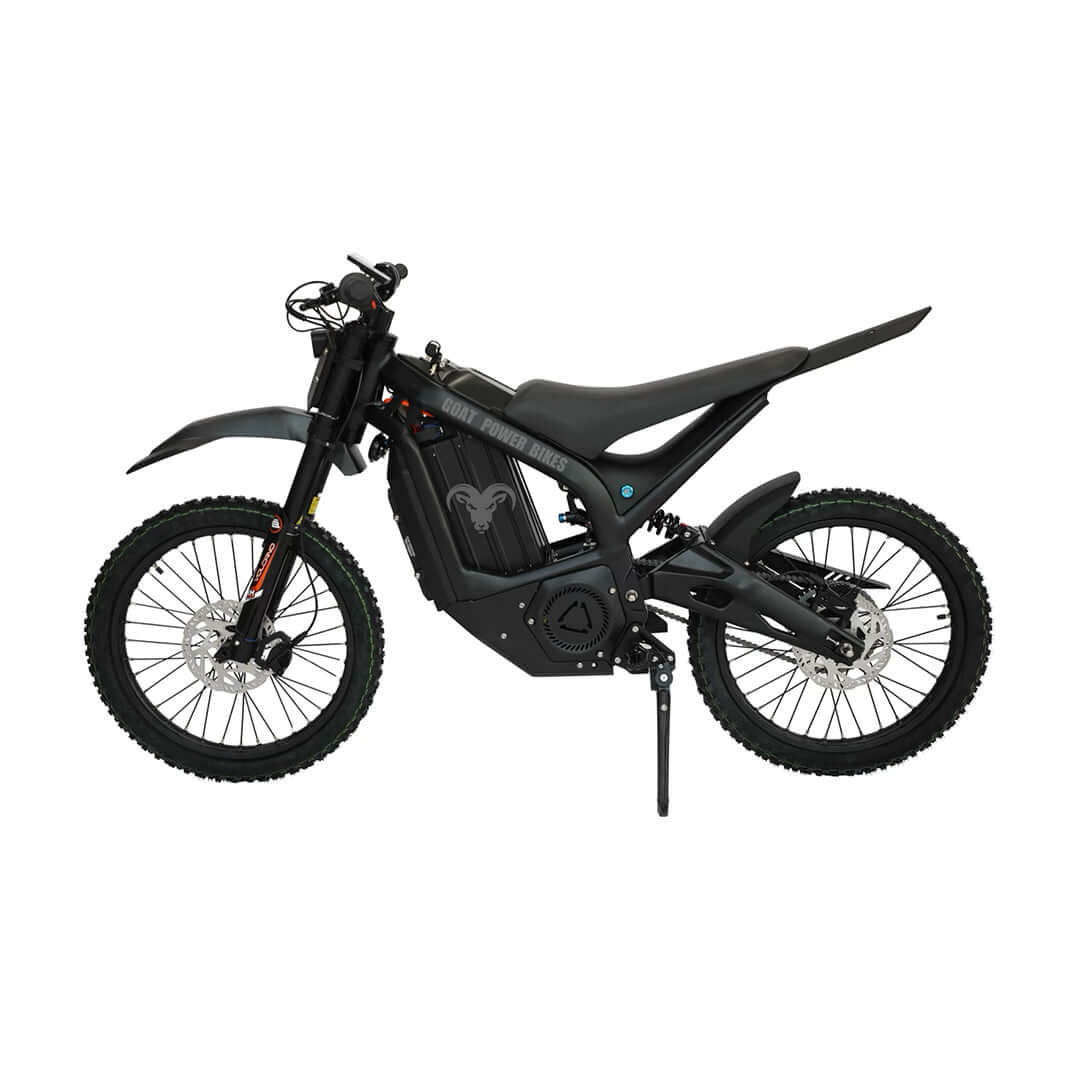
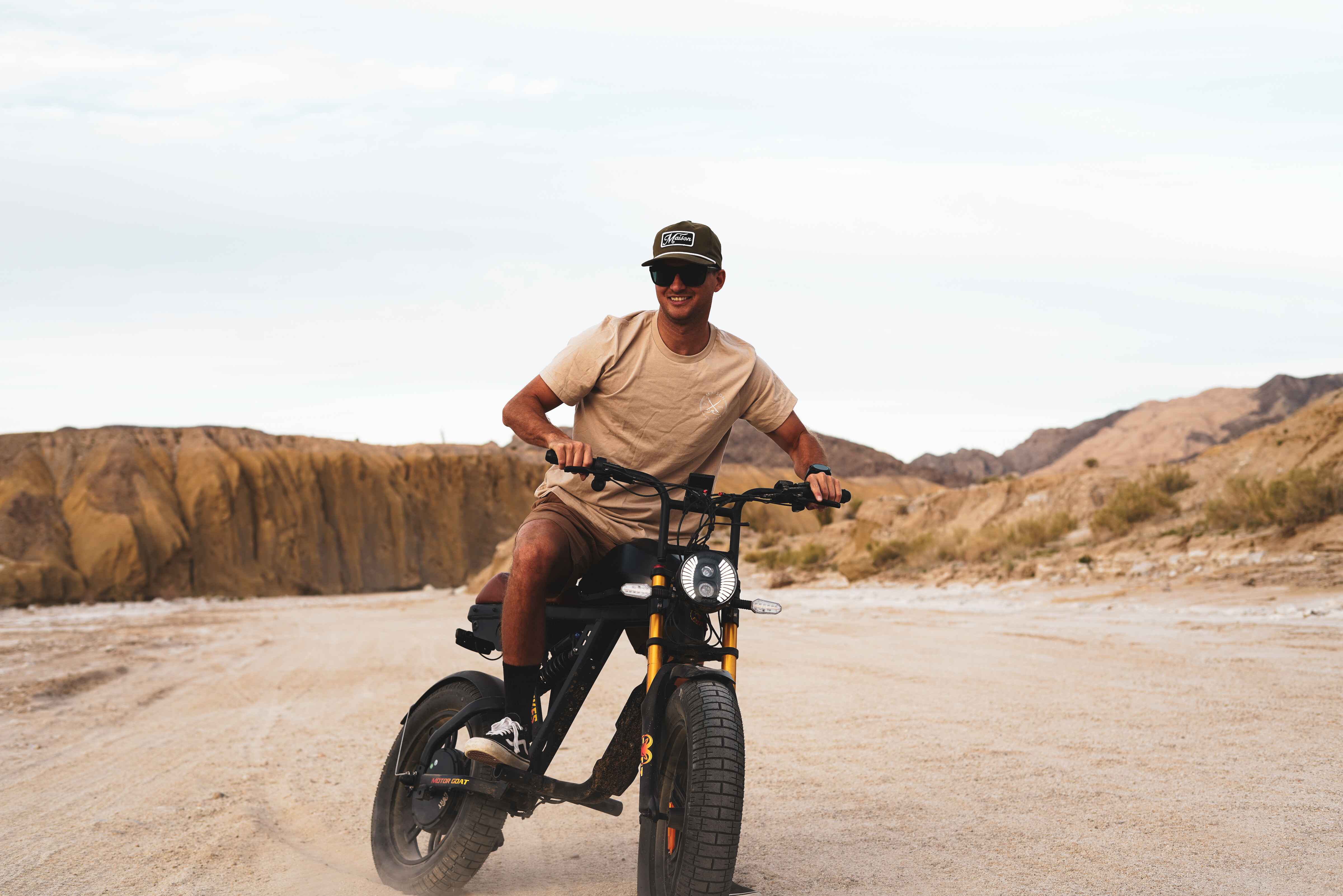
Yes, many e-bikes can handle winter conditions with the right setup and precautions. Electric dirt bikes, like the Dirt Goat 96V, are especially well-suited for snow, slush, and off-road winter terrain.
That said, snow and ice present serious traction, visibility, and safety challenges. If you’re planning to ride in winter, here’s what you need to keep in mind:
1. Choose the Right Tires
-
Fat tires (4” or wider) offer better traction on snow and loose terrain.
-
Reduce air pressure slightly (psi) for more surface contact and grip.
-
Consider studded tires if you frequently encounter icy conditions.
2. Protect the Battery in Cold Temps
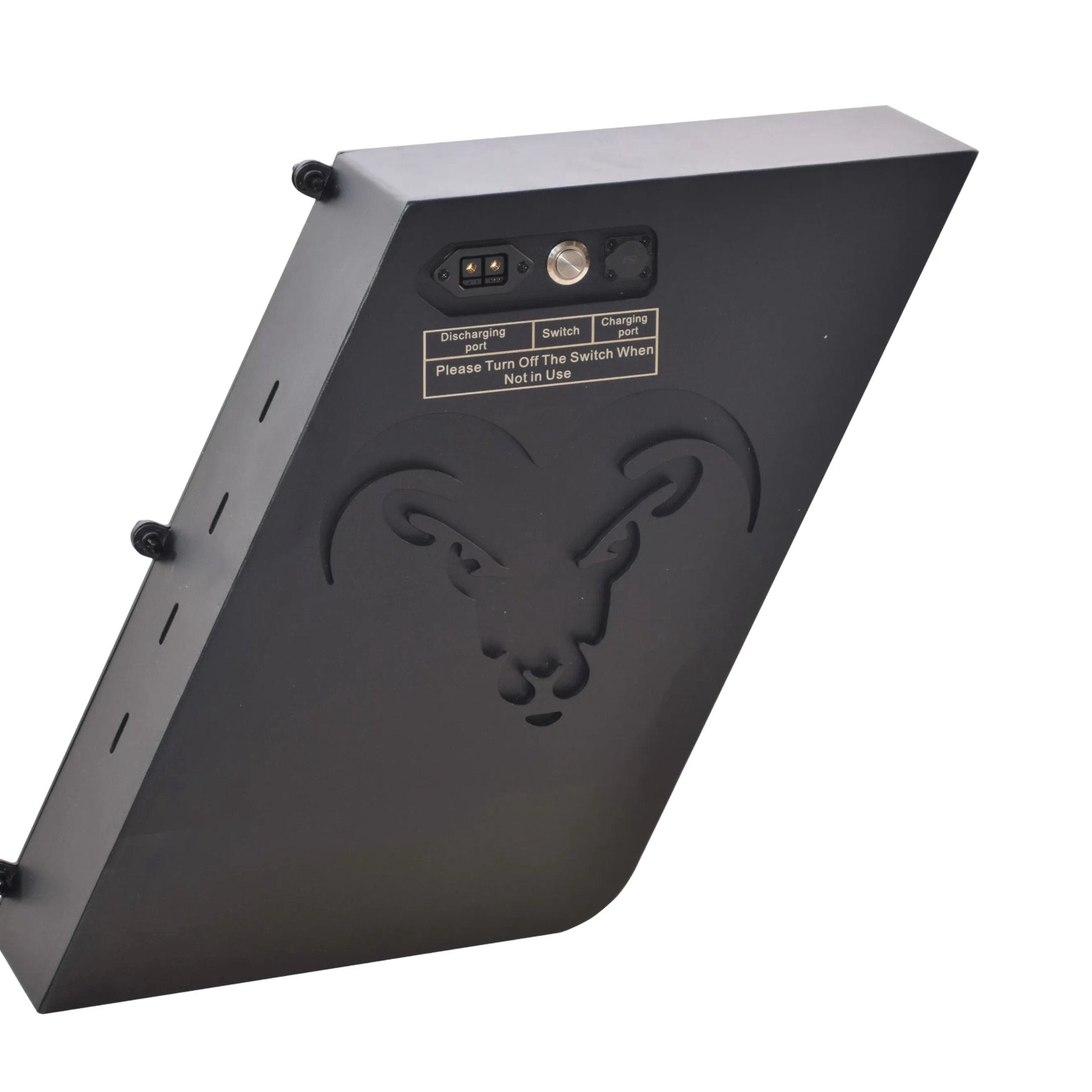
Lithium-ion batteries, the type used in most e-bikes, are sensitive to cold.
-
Battery range can drop significantly in freezing weather (up to 40%).
-
Avoid charging a cold battery. Let it warm up indoors to room temperature before plugging it in.
-
If riding, bring the battery inside after your trip to preserve charge and prevent damage.
-
For extended storage, keep your battery at 50-80% charge, and store it indoors at room temperature.
3. Use Fenders and Waterproof Gear
Snow, slush, and salt can quickly build up on your bike and clothing. Consider these upgrades:
-
Full front and rear fenders to prevent splashback
-
A waterproof seat cover or replaceable saddle
-
Use dielectric grease on connectors to prevent water infiltration
-
Bring a dry cloth with you to wipe off ice buildup
4. Visibility Is Key
With shorter days and lower visibility, make sure your e-bike has:
-
Bright front and rear lights (LED preferred)
-
Reflective tape or stickers on the frame
-
A high-vis jacket or reflective backpack
Pro tip: If you ride in snowy areas, white snow can reduce the visibility of your lights. Go brighter than usual, and consider a blinking rear light for daytime riding.
5. Clean Your Bike After Each Ride
Salt, sand, and slush are hard on your bike’s frame, brakes, and drivetrain.
-
After every ride, wipe down your bike with a damp cloth.
-
Clean your chain and gears with a degreaser weekly (more if riding daily).
-
Dry your bike thoroughly and store it in a dry place, ideally indoors or under cover.
Avoid using a high-pressure hose, this can push water into sensitive electrical components. Instead, use a gentle rinse, sponge, or spray bottle to clean your frame and wheels.
Winter E-Bike Storage: How to Store Your Bike for the Season
If you’re not riding your e-bike in winter, storing it properly is critical to avoid battery damage, frame corrosion, and electrical issues.
Step 1: Charge the Battery (But Not Fully)
-
Store the battery at around 50-80% charged.
-
Check battery levels every 30-60 days and top up if it falls below 30%.
-
Never store your battery dead, as it can cause permanent damage.
Step 2: Store in a Temperature-Controlled Environment
-
Ideal storage temp: 50°F-75°F (10°C-24°C)
-
Avoid freezing temps or high humidity (garage is okay if insulated)
If you must store your e-bike in a cold garage or shed:
-
Remove the battery and store it indoors
-
Cover the bike with a breathable tarp or bike cover
-
Use a kickstand pad or wall mount to keep tires off frozen concrete
Step 3: Clean and Lubricate
-
Deep clean your bike before long-term storage
-
Apply bike-specific lubricant to the chain, derailleur, and pivot points
-
Inspect for rust, tire wear, and loose bolts
Do E-Bike Motors Work in Winter?
Most e-bike motors are rated to work in low temperatures, but performance can dip if they get too cold. Here are some quick tips:
-
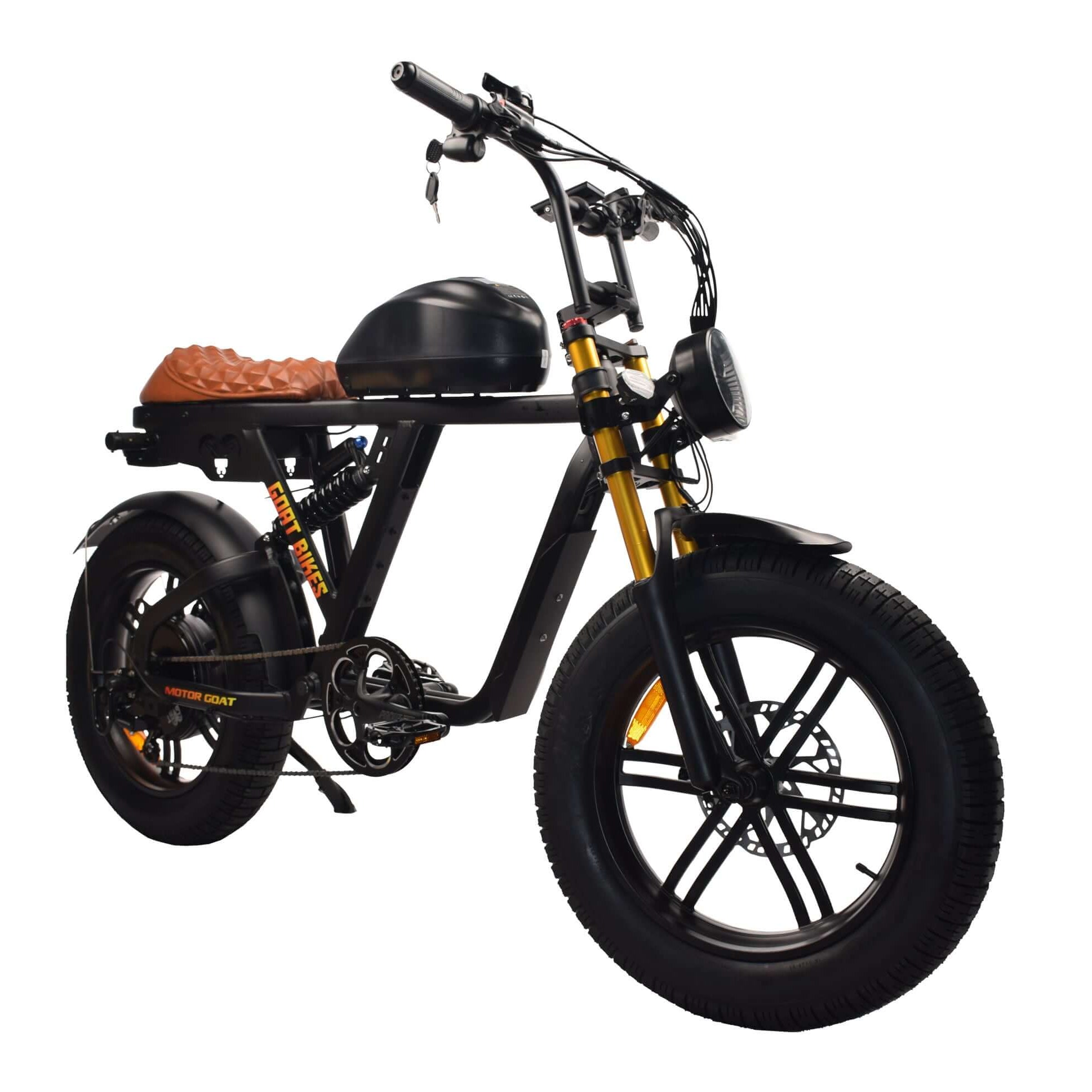
Brushless hub motors (like those on the Motor Goat V3) are well-sealed and handle cold better than exposed mid-drives.
-
Cold grease in motor bearings can stiffen in freezing temps, ride gently for the first few minutes to warm it up.
-
If you notice weird noises, sluggish response, or blinking displays, bring your bike inside immediately and let it warm up.
Final Thoughts: Keep Riding All Winter Long
Cold weather doesn’t have to stop you from riding your e-bike, but it does require more care, preparation, and attention to detail. Whether you’re commuting through snow-covered streets or storing your bike until spring, proper winter e-bike maintenance can save you time, money, and headaches.
At Goat Power Bikes, our bikes are built tough for all-season performance. From the rugged Dirt Goat 96V to the everyday Billy Goat commuter, we offer bikes that can handle whatever winter throws at you.