
If you have been shopping for a high-performance electric bike, you have likely come across the term “72V e-bike” more than once. For many riders, 72V represents the top tier of electric bike performance, but it also raises a lot of questions. Is a 72V e-bike actually worth it, or is it overkill? Who is it designed for, and how does it feel in real-world riding situations?
In this guide, we break down what a 72V e-bike really offers, how it compares to lower-voltage setups, and whether the upgrade makes sense for your riding style. By the end, you will have a clear answer on whether a 72V e-bike fits your needs or if another option makes more sense.
What Does 72V Mean on an E-Bike?
Voltage in an e-bike system refers to how much electrical potential the battery provides to the motor. A 72V battery delivers significantly more power than common 48V or 52V systems. While voltage alone does not tell the full story, higher voltage allows the motor to produce more torque, sustain higher speeds, and perform better under load.
In practical terms, a 72V e-bike accelerates harder, climbs hills with less strain, and maintains speed more easily, especially with heavier riders or aggressive riding styles. It also allows the controller to deliver power more efficiently, which can improve performance consistency during longer rides.
Power and Acceleration: Where 72V Really Shines
One of the biggest advantages of a 72V e-bike is how quickly it delivers power. Riders often describe the difference as immediate and noticeable. Throttle response is sharper, acceleration feels stronger, and the bike does not bog down when pushed.
This matters most in situations like hill climbs, off-road riding, sand, loose dirt, or when carrying extra weight. A 72V system gives the motor more headroom, which means less heat buildup and smoother performance even when the bike is under stress.
For riders who want electric dirt bike style power with the functionality of an e-bike, a 72V platform makes that experience possible.
Top Speed: What You Can Expect Realistically
Many riders search for high-speed electric bikes and wonder if a 72V system automatically means extreme top speeds. While 72V e-bikes are capable of higher speeds than lower-voltage setups, real-world speed depends on multiple factors including motor tuning, rider weight, terrain, gearing, and controller limits.
In general, a properly tuned 72V e-bike can comfortably exceed the speeds of standard commuter e-bikes. More importantly, it can sustain those speeds without feeling strained. Instead of maxing out quickly and losing efficiency, a 72V system maintains smooth power delivery over a wider speed range.
This is especially noticeable during longer high-speed runs or when riding off road where constant throttle adjustments are needed.
Torque and Hill Climbing Performance
Torque is where a 72V e-bike truly separates itself. Higher voltage allows the motor to produce stronger low-end pull, which translates to better climbing ability and improved control on technical terrain.
Steep hills that slow down or overheat lower-voltage bikes feel much more manageable on a 72V setup. Riders who live in hilly areas or frequently ride trails will immediately notice the difference.
This is also a major benefit for heavier riders, as the additional power helps maintain performance without pushing the motor to its limits.
Range Expectations with a 72V E-Bike
A common misconception is that higher voltage always means shorter range. In reality, range depends more on battery capacity, riding style, and efficiency than voltage alone.
Many 72V e-bikes use large battery packs that are designed to support the increased power output. When ridden responsibly, a 72V system can actually be more efficient because the motor works less hard to achieve the same result.
That said, aggressive riding, frequent full-throttle use, and high speeds will reduce range compared to casual cruising. Riders who want maximum range should still pay attention to amp-hour capacity and riding habits.
Who Should Consider a 72V E-Bike?
A 72V e-bike is not designed for everyone, and that is okay. It shines for specific types of riders who value performance and capability over simplicity.
Riders who benefit most from a 72V e-bike include those who ride off road, tackle steep terrain, want strong throttle performance, carry extra weight, or simply want the most powerful riding experience available in an electric bike format.
If you primarily ride bike paths, flat city streets, or short commutes, a lower-voltage bike may be more practical. However, if your riding demands more power and versatility, 72V is often worth the upgrade.
Real-World Riding Experience
In everyday use, a 72V e-bike feels confident and composed. Acceleration is smoother even at higher speeds, hills feel easier, and the bike responds instantly when you need power.
Riders often report that once they experience a 72V platform, it is difficult to go back to lower-voltage setups. The extra performance does not just show up in speed, but in overall ride quality and control.
This is especially true for riders who mix street riding with dirt, trails, or open terrain.
72V E-Bikes and Goat Power Bikes
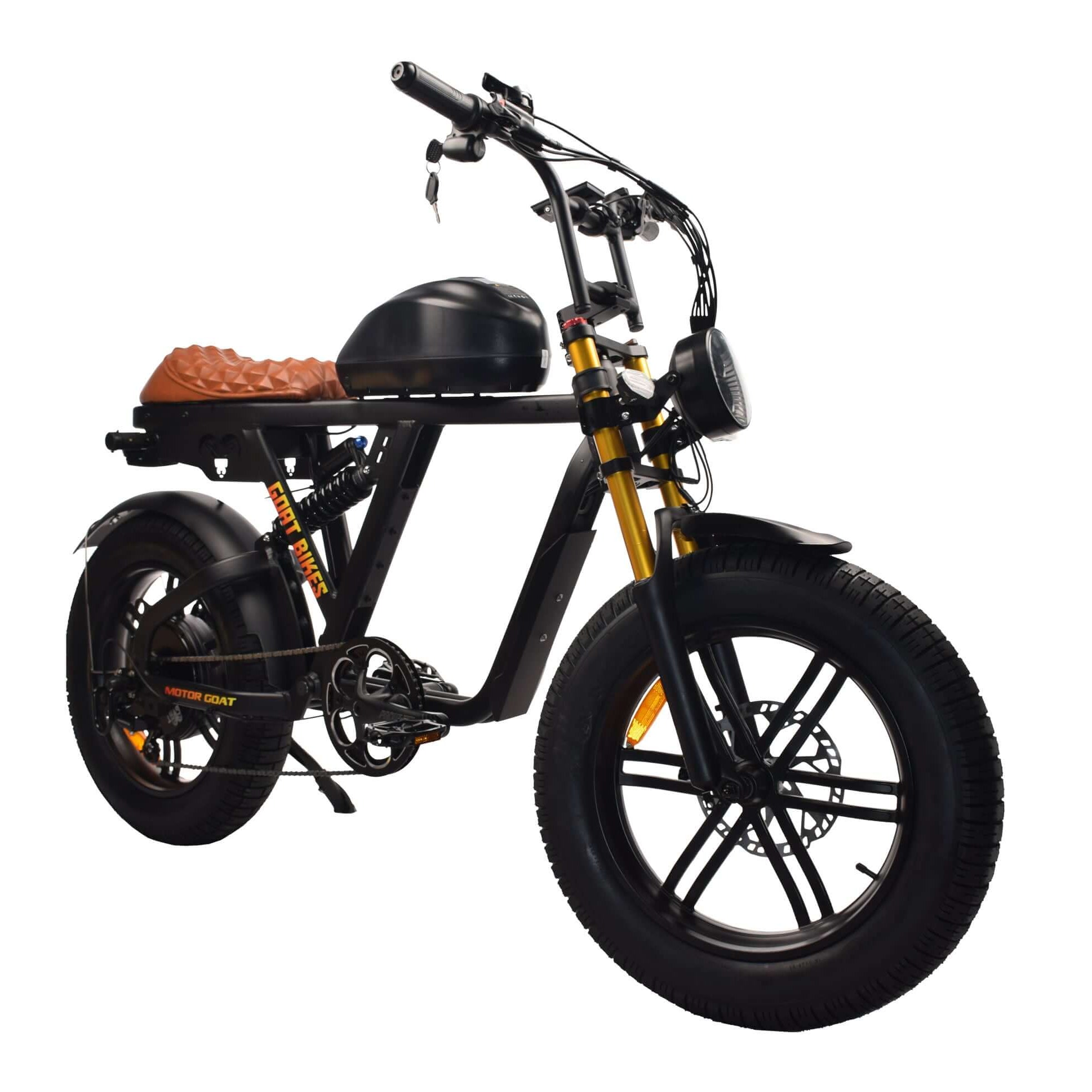
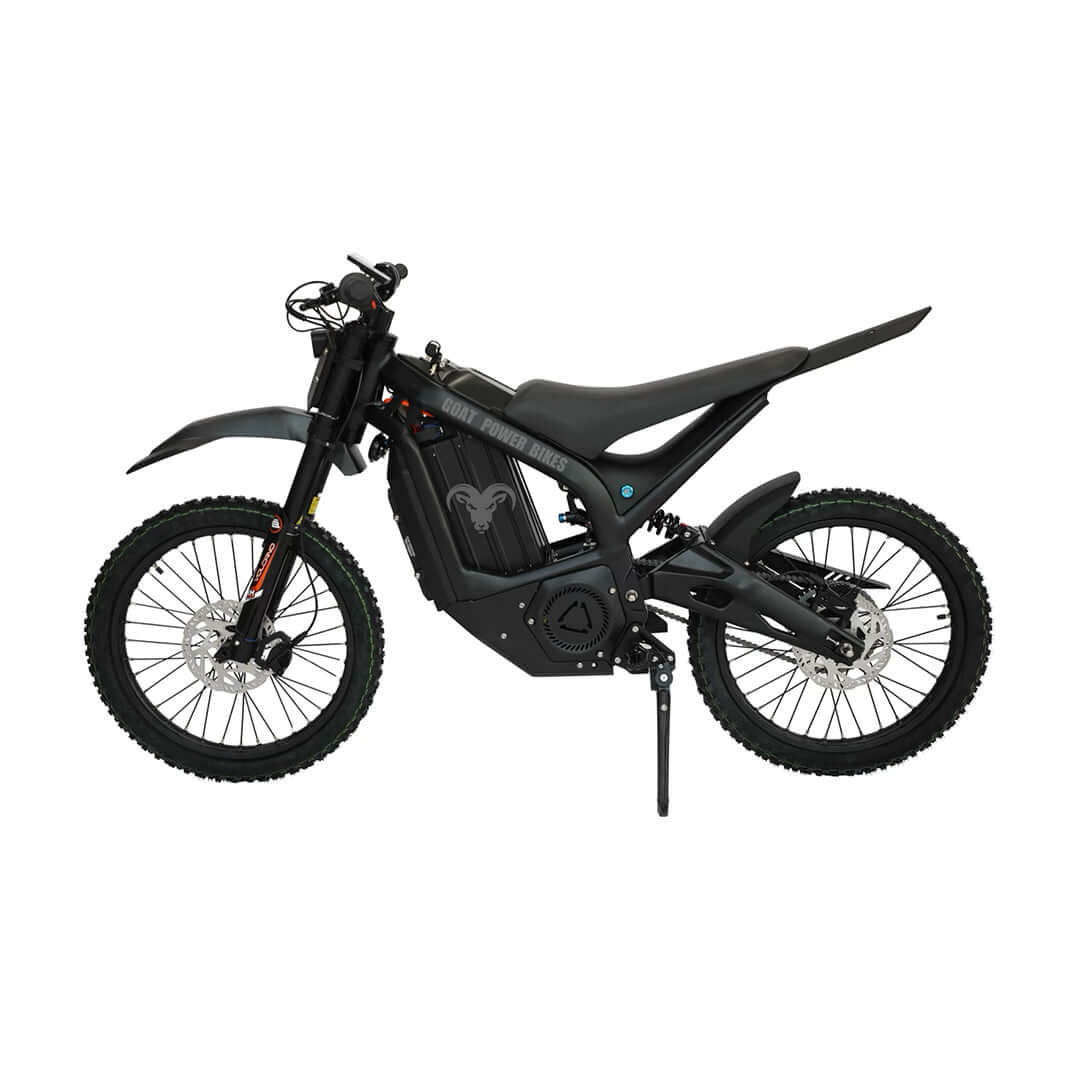
Goat Power Bikes offers several models that take full advantage of what a 72V system can deliver. Bikes like The King Goat and high-power Dirt Goat configurations are built specifically to handle the demands of higher voltage riding.
These bikes are engineered with reinforced frames, upgraded suspension, and braking systems that match the power output. The result is a balanced ride that feels stable, controlled, and capable rather than overwhelming.
By pairing a 72V battery with a properly tuned motor and controller, Goat Power Bikes delivers performance that feels intentional and usable, not just powerful on paper.
Maintenance and Ownership Considerations
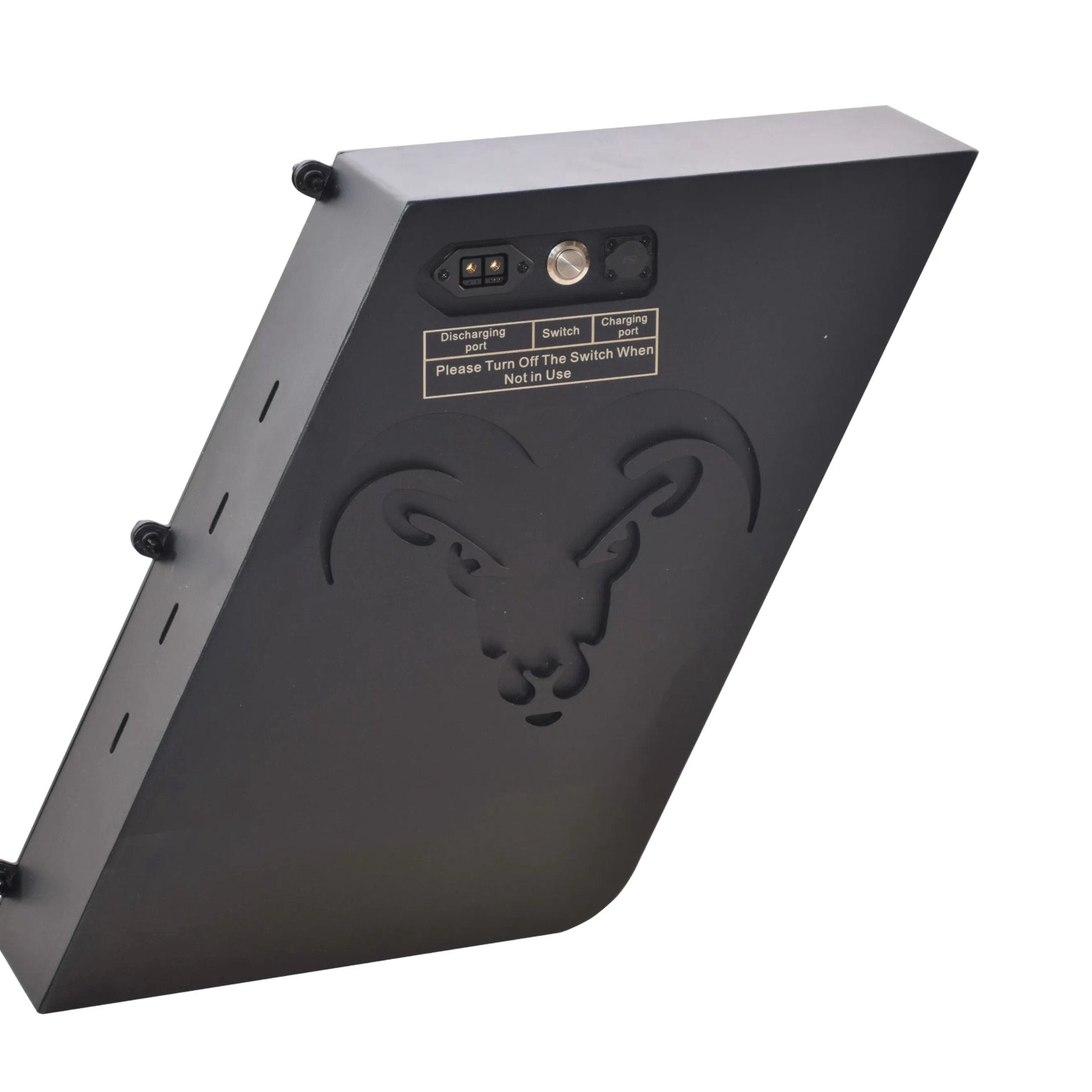
A 72V e-bike does require responsible ownership. Higher power means components need to be well maintained, including brakes, tires, and drivetrain parts. Regular inspections and proper charging habits help ensure long-term reliability.
That said, modern high-quality components are built to handle these demands, especially when the bike is designed from the ground up for higher voltage operation.
For riders who respect the machine and ride within their comfort level, maintenance is manageable and similar to other high-performance e-bikes.
Is a 72V E-Bike Worth It? Final Verdict
A 72V e-bike is absolutely worth it for riders who want maximum power, stronger acceleration, better hill climbing, and a more capable all-around riding experience. It is not about chasing numbers, but about unlocking performance that lower-voltage systems simply cannot provide.
If you ride aggressively, explore off road, want electric dirt bike style performance, or simply prefer a bike that never feels underpowered, a 72V e-bike is a smart investment.
For riders focused on casual commuting or light recreational use, a lower-voltage option may be more practical. But for those who demand more from their ride, 72V delivers a level of confidence and performance that stands apart.
If you are considering a high-power e-bike, understanding what 72V truly offers makes it much easier to decide whether it is the right move for you.